Business & Finance
AMD and Intel Rally Sharply as Investors Broaden AI Investment Bets Beyond Nvidia
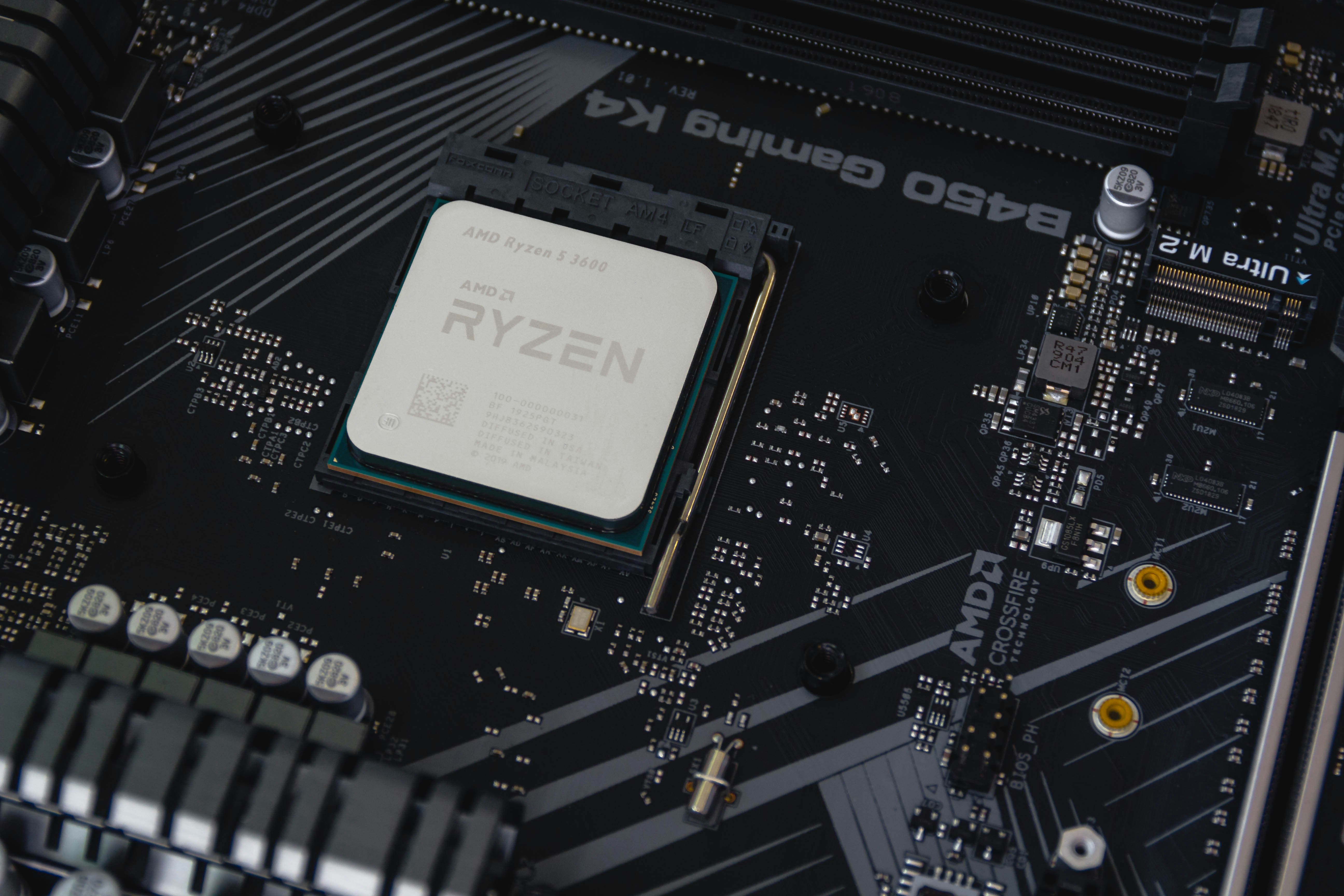
Shares of Advanced Micro Devices and Intel surged on September 4, climbing 4.7% and 4.5% respectively, while Nvidia posted a more modest 0.8% gain. The divergence suggests investors may be spreading their bets on artificial intelligence beyond Nvidia, though the single-day move alone cannot confirm buyer intent or signal a lasting shift in market sentiment.
Both AMD and Intel present alternative avenues for capitalizing on AI-related spending without requiring Nvidia's dominance to erode. AMD reported record second-quarter revenue of $11.5 billion, a 50% year-over-year increase, with its Data Center segment accounting for 58% of total business. The company's product lineup includes MI450 accelerators, sixth-generation EPYC processors, Helios rack-scale systems, and Pensando networking technology. Supporters of AMD's growth prospects point to customer demand for a reliable secondary supplier, which could also strengthen buyers' negotiating position. Skeptics, however, cite concerns about software maturity, the challenge of executing across a wide product roadmap, and the substantial capital needed to compete with Nvidia's established ecosystem.
According to Insider Monkey's database, 164 hedge funds held positions in AMD during the second quarter of 2026, up from 134 in the prior quarter. Marshall Wace held 3,898,210 shares, an increase of roughly 3% from the first quarter. These filings, however, reflect positions as of quarter-end and predate the September 4 rally, so they cannot indicate whether fund managers were responding to that price movement.
Intel's Data Center and AI revenue reached $6.3 billion in the second quarter, marking a 59% year-over-year rise. Bullish arguments for Intel center on its durable CPU business, custom silicon offerings, advanced packaging capabilities, and domestic foundry operations. The bearish view highlights the high cost and uncertain payoff of rebuilding manufacturing leadership. The company posted $1.8 billion in GAAP operating income, even as it reported a GAAP loss of $2.16 per share, largely attributable to a $12.5 billion noncash mark-to-market loss tied to escrowed shares. Adjusted free cash flow was negative $8.4 billion, raising ongoing questions about capital efficiency.
The same database showed 138 hedge funds holding Intel shares in the second quarter of 2026, up from 112 the previous quarter. AQR Capital Management held 10,742,567 shares after trimming its stake by approximately 6% from the first quarter. Like AMD's filings, this data predates September's rally and reflects historical rather than reactive positioning.
As of the August 14 short-interest settlement date, roughly 135.7 million Intel shares were sold short, with a days-to-cover ratio of 1.26. Based on published float estimates, this represents approximately 2.6% to 3.0% of float—not indicative of a heavily crowded short position.
Whether Friday's rally signals a genuine broadening of the AI supply chain remains to be seen. AMD faces pressure to demonstrate rack-scale adoption and software competitiveness, while Intel must convert its manufacturing capacity and design wins into sustainable financial returns. Nvidia could continue expanding even as AMD and Intel capture portions of a growing market—but the true test will come through future shipment volumes, profit margins, and free cash flow performance.