Business & Finance
Stock Market Closures Confirmed for Labor Day and Full 2026-2027 Holiday Calendar
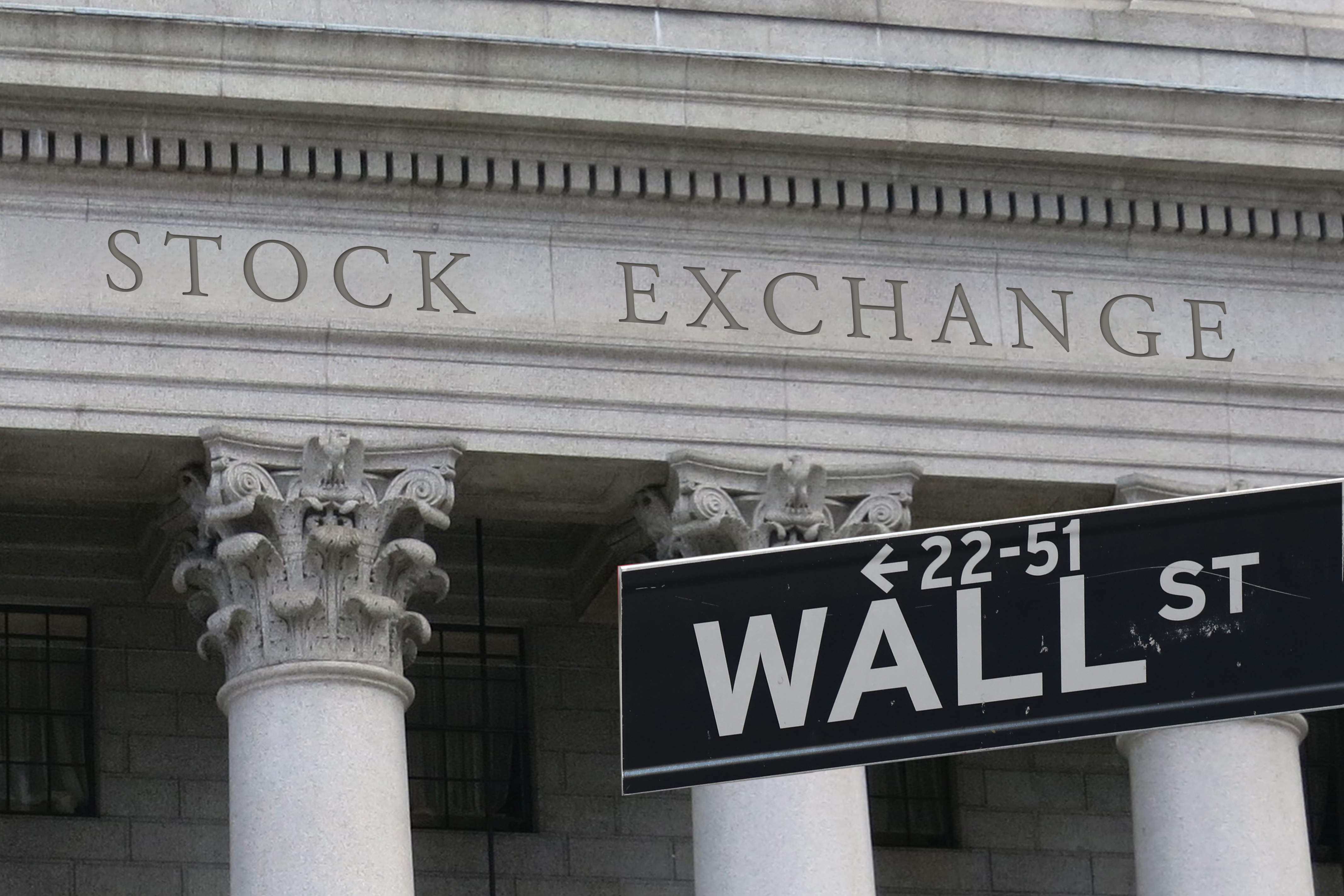
The U.S. stock market will remain closed on Monday, September 7, in observance of Labor Day, with normal trading resuming Tuesday, September 8. In 2026, the New York Stock Exchange (NYSE) and Nasdaq will observe a total of 10 holidays, along with two early closing days. Regular stock market trading hours run from 9:30 a.m. to 4 p.m. Eastern time, Monday through Friday, with both exchanges closed on weekends. While investors can place trades during extended hours, lighter trading volume during these periods can lead to increased price volatility and incomplete order execution. For 2026, the NYSE and Nasdaq will be closed on the following dates: New Year's Day (Thursday, January 1), Dr. Martin Luther King Jr. Day (Monday, January 19), Washington's Birthday/Presidents' Day (Monday, February 16), Good Friday (Friday, April 3), Memorial Day (Monday, May 25), Juneteenth (Friday, June 19), Independence Day observed (Friday, July 3), Labor Day (Monday, September 7), Thanksgiving Day (Thursday, November 26), and Christmas Day (Friday, December 25). Additionally, both exchanges will close early at 1 p.m. Eastern time on Friday, November 27 (Black Friday) and Thursday, December 24 (Christmas Eve). Looking ahead to 2027, the stock market holiday schedule includes New Year's Day (Friday, January 1), Dr. Martin Luther King Jr. Day (Monday, January 18), Presidents' Day (Monday, February 15), Good Friday (Friday, March 26), Memorial Day (Monday, May 31), Juneteenth observed (Friday, June 18), Independence Day observed (Monday, July 5), Labor Day (Monday, September 6), Thanksgiving Day (Thursday, November 25), and Christmas Day observed (Friday, December 24). The market will also close early at 1 p.m. on Friday, November 26, 2027, the day after Thanksgiving. When fixed-date holidays like July Fourth or Christmas fall on a Saturday, markets close the preceding Friday; if they fall on a Sunday, markets close the following Monday. However, if New Year's Day falls on a Saturday, the market remains open for regular hours the prior Friday and does not observe the holiday. Additionally, U.S. financial markets typically close for a National Day of Mourning following the death of a sitting or former president, usually coinciding with the funeral date. The bond market operates on a separate schedule set by the Securities Industry and Financial Markets Association (SIFMA), with standard hours from 8 a.m. to 5 p.m. Eastern time on weekdays. In addition to the 10 stock market holidays, bond markets also close for Indigenous Peoples' Day in October and Veterans Day in November during both 2026 and 2027. Early bond market closures at 2 p.m. occur on the Thursday before Good Friday, the Friday before Memorial Day, July 2, the Friday after Thanksgiving, Christmas Eve, and New Year's Eve. Several widely recognized holidays do not affect stock market operations, including Valentine's Day, Ash Wednesday, Ramadan, St. Patrick's Day, Passover, Cinco de Mayo, Rosh Hashanah, Yom Kippur, Halloween, Boxing Day, Chanukah, Kwanzaa, and New Year's Eve, provided they don't fall on a weekend. Regarding frequently asked questions, the stock market remains open on the Friday after Thanksgiving, though trading ends early at 1 p.m. Eastern time, one of only two or three days each year with a shortened session. Cryptocurrency markets, by contrast, operate continuously year-round without holiday closures, since crypto trades through decentralized computer networks rather than centralized exchanges. Veterans Day does not affect stock market operations, as the NYSE and Nasdaq maintain regular hours, though the bond market does close in observance of that holiday.