World
Israel Orders Closure of UK Consulate in Jerusalem Amid Rising Tensions
By Heba Habib
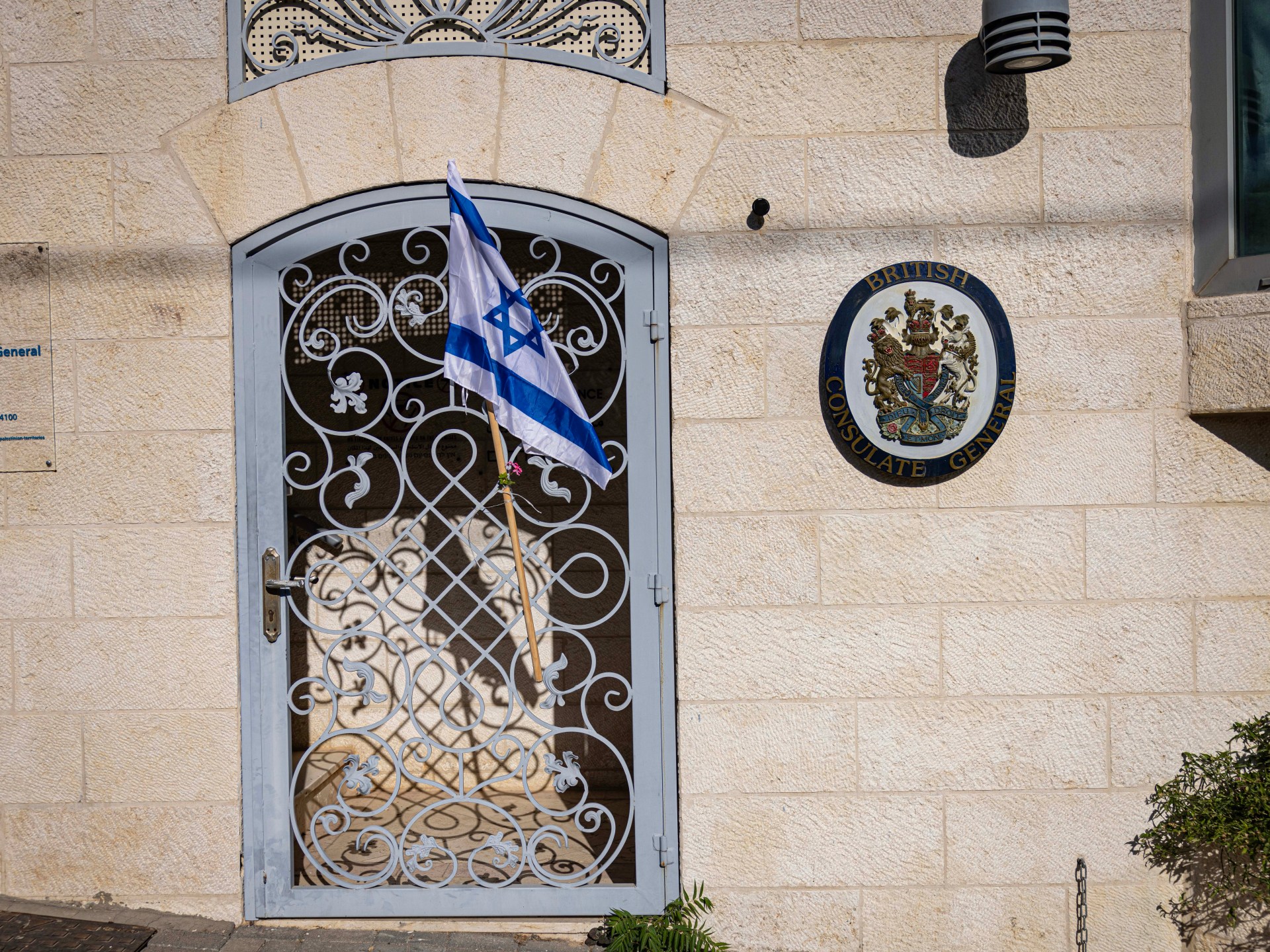
Israel has ordered the closure of the British Consulate General in East Jerusalem, a move that follows the United Kingdom’s sanctions on illegal Israeli settlements in the occupied West Bank. The consulate, which has operated under that name for nearly 200 years, will now be known as the “UK Mission, Jerusalem.” British officials have stated that the mission remains open, albeit under its new title, and that the UK does not accept Israel’s claim to have the legal right to close a consulate it owns.
The order came after the UK announced a ban on imports from illegal Israeli settlements and barred companies from providing services such as financing, construction and real estate to those settlements. Israel gave the UK 30 days to close the consulate, threatening to strip British diplomats of their diplomatic status. As the deadline approached, the two governments reached a last‑minute compromise: Israel would allow seven British diplomats to work from the building, while 20 diplomats, including the consul general, would leave the country.
The consulate’s closure is not the first instance of strained UK‑Israel relations. Key moments of tension include: - 1946: The Irgun bombed the King David Hotel, the seat of the British administration in Palestine, killing 91 people. - 1949: Israeli forces shot down four Royal Air Force Spitfires and a Hawker Tempest, resulting in the deaths of two British pilots. - 1982: Britain imposed a weapons embargo on Israel following its invasion of Lebanon. - 1982: Israel supplied arms to Argentina during the Falklands War, prompting British diplomatic protests. - 2023‑2024: The UK suspended 30 arms export licences to Israel, halted trade talks, and sanctioned individuals linked to settler violence. - September 2025: The UK formally recognised the State of Palestine.
In September 2024, the UK suspended 30 arms export licences to Israel. In May 2025, it suspended trade talks and sanctioned individuals and companies linked to settler violence. In September 2025, it formally recognised the State of Palestine. Last September, London went further. Foreign Secretary Ed Miliband, who is himself Jewish, said the UK now regards Israel’s occupation of the West Bank, not just the illegal settlements there, as illegal. He told parliament that Palestinians are being ethnically cleansed by settlers in parts of the West Bank.
Israel’s response was swift. National Security Minister Itamar Ben‑Gvir urged Prime Minister Benjamin Netanyahu to close the consulate, accusing it of working on behalf of the Palestinian Authority. Israeli Foreign Minister Gideon Saar blamed London: “We did not want it to come to this, but the Labour Government’s actions have led us here.” The compromise has eased the immediate standoff without resolving it. Saar said the UK had agreed not to retaliate, while Miliband said it would hold off on reciprocal action as long as talks remain credible.
The standoff has been further inflamed by a resolution passed by the UK’s Green Party equating Zionism with “racism.” The party’s leader, Zack Polanski, was not present for the vote but later praised a post calling on opponents of the motion to “get over yourselves and move on.” Palestinian journalist Nihad Abu Ghosh has linked the tension to Israel’s broader strategy to treat Palestinian affairs as an Israeli matter, noting that Britain’s historical role in the creation of Israel and its support for the state have contributed to the current conflict.
The situation remains a low point in UK‑Israeli relations, with both sides maintaining diplomatic presence while navigating a complex web of historical grievances and contemporary policy disputes.