India
Punpalli Panchayat Resolution Sparks Controversy Over Christian Burial Rights
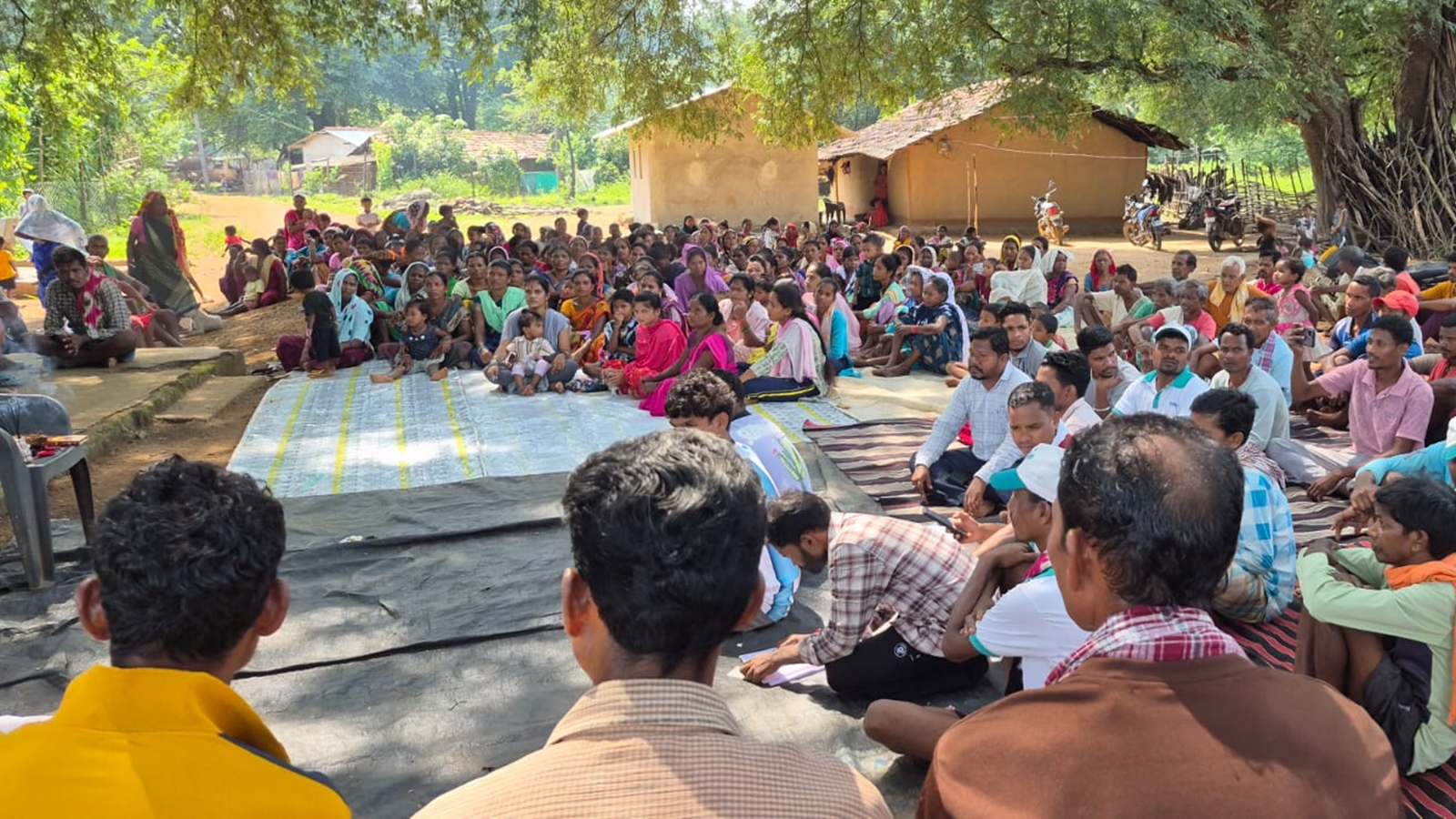
A notice issued by the Punpalli village panchayat in Sukma district, Chhattisgarh, states that the village will not allow any event for conversions or other religious activities. The notice follows a set of 12 resolutions adopted by the village panchayat. One resolution, not printed on the banner, has raised alarm among the village’s Christian community of 2,000 residents. According to Madkam Bhima, a Janpat member elected from Punpalli, the resolution says the village will not give any land for burials to tribals who follow Christianity. If upheld, Christian families would have to travel more than 13 kilometres to Dhornapal or over 40 kilometres to Sukma headquarters for burial. Bhima said four villages in Sukma have made similar resolutions, starting with Errabore and then Polampalli, and that the practice is spreading. The Christian population in Punpalli is 21 families with 75 members. Bhima claimed the resolution is legal under the Panchayats (Extension to Scheduled Areas) Act, 1996 (PESA), which the village cites as protecting its cultural identity and traditions. The act allows the Gram Sabha to protect its cultural heritage, and villagers argue that religious conversion activities threaten their traditional tribal culture and social unity. Advocate Sudeep Shrivastava argues that the resolution is unconstitutional, stating that any Indian citizen can profess a religion in any village and that denying burial land to Christians violates constitutional rights. Nukesh Baghel, vice president of the Bastar District Rural Christian Service Committee, said this is at least the tenth village in the Bastar region to adopt such a resolution. He also noted that groups have misused a split verdict from the Supreme Court in a burial‑rights case earlier this year. In February, the Supreme Court ordered an interim stay on forcible exhumation of tribal Christians, but villagers have continued to deny burials. In January 2025, a two‑bench judge heard a case where Ramesh Baghel, son of a deceased Christian pastor, sought to bury his father in his native village. Justice B V Nagarathna allowed the burial on private land, while Justice S C Sharma ruled that the burial should occur at a common designated burial ground for Christians of three or four villages in Karkapal. Baghel had to perform the rites in Karkapal under heavy security. Nukesh said right‑wing workers provoke tribals to pass such resolutions, misusing the split verdict. He added that after the Supreme Court’s interim relief, they wrote to the Chhattisgarh DGP to enforce the order against forcible exhumation, but the practice continues. Advocate Degree Prasad Chouhan, convenor of the Chhattisgarh Association for Justice and Equality, said they are documenting these instances and will approach the court again. Mukund Thakur, CEO of the Zilla Panchayat in Sukma District, said the resolution was not on the agenda and that he would take appropriate action if a written complaint is received, checking the legality of the matter under applicable rules.