India
Ayodhya Ram Temple to Receive FSSAI ‘Eat Right Place’ Certification
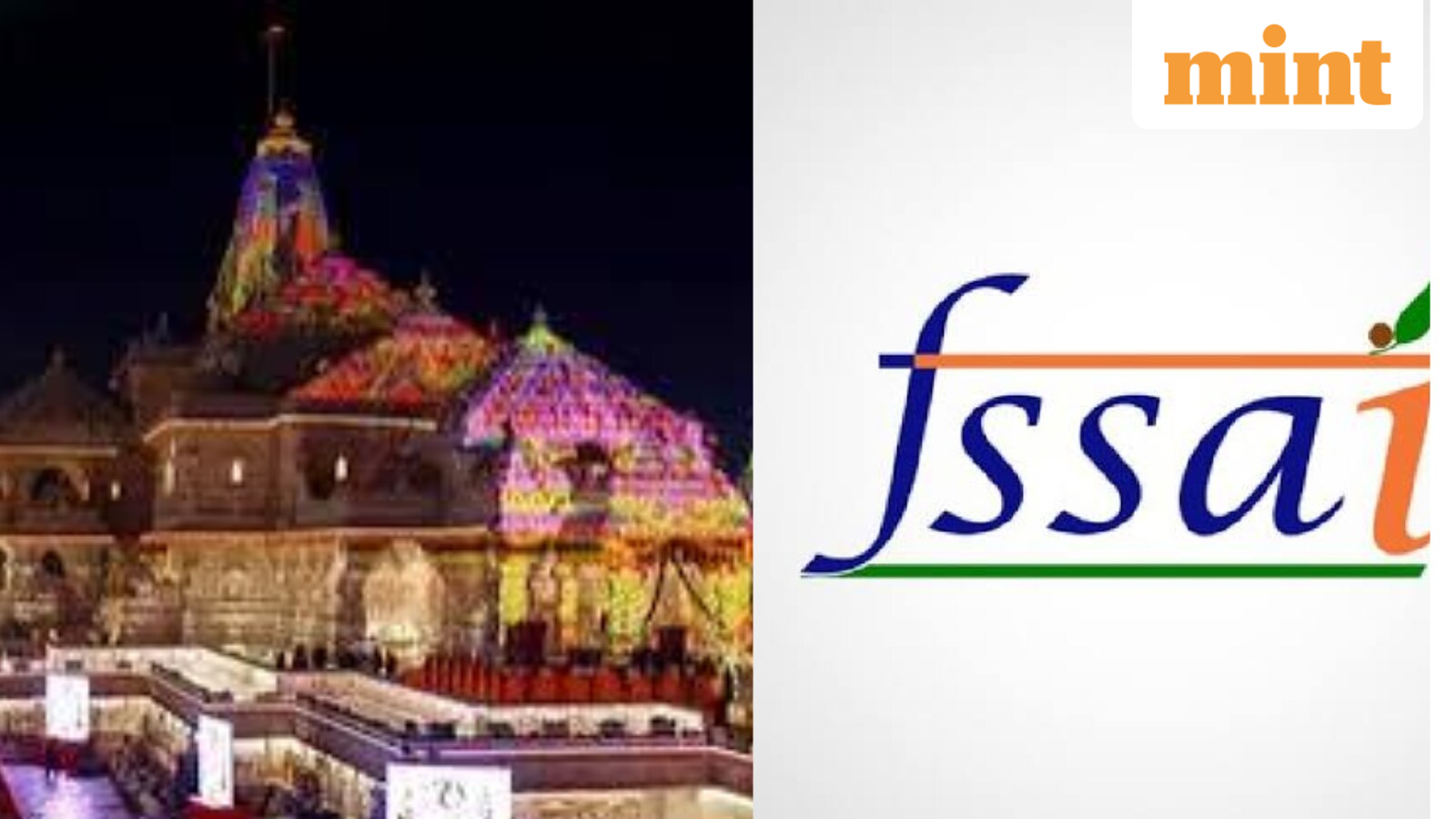
The Ram Temple in Ayodhya will be awarded the “Eat Right Place” certification by the Food Safety and Standards Authority of India (FSSAI), a News18 report says. The award follows an assessment of the food safety, hygiene and quality standards for prasad distributed and sold within the temple. The Eat Right Places of Worship (PoW) initiative encourages temples, gurdwaras, mosques and other places of worship to adopt safe practices in preparing and serving prasad, langar and other food.
To qualify for the Eat Right Place of Worship/BHOG certification, a place of worship must first hold a valid FSSAI registration or licence under the Food Safety and Standards Act, 2006. The premises or food handlers must meet applicable regulatory requirements. A pre‑audit checks food safety practices against FSSAI hygiene requirements. Food handlers and cooks must then complete training through FSSAI‑empanelled partners under the Food Safety Training and Certification (FoSTaC) programme, covering a Basic Catering Course focused on safe food handling.
After training, a recognised auditing agency conducts a third‑party inspection of kitchens, storage facilities and food‑serving areas. Any deficiencies identified during the audit must be corrected. Once the required standards are met, the place of worship receives the BHOG certification, which is valid for two years from the date of issue.
In a separate development, the Central Consumer Protection Authority (CCPA) fined Amazon Seller Services ₹1 lakh in August for allowing the sale of sweets described as “Shri Ram Mandir Ayodhya Prasad”. The CCPA directed Amazon to ensure that no product falsely claiming to be “prasad”, “prasadam”, “mahaprasad”, “bhog” or a similar religious offering linked to the named religious institutions is listed, hosted, advertised, exhibited or sold on its platform without verifiable documentary proof of authorization from the concerned institution.
Amazon submitted a framework covering ten major religious institutions and shrines, including Ram Janmabhoomi Mandir, Tirumala Tirupati Devasthanam, Shri Mata Vaishno Devi Shrine, Shri Kashi Vishwanath Temple, Shri Jagannath Temple, Shri Kedarnath Temple, Shri Badrinath Temple, Shri Somnath Temple, Shri Dwarkadhish Temple and Shri Mahakaleshwar Temple. The CCPA’s 19‑page order stated that the phrase “Shri Ram Mandir Ayodhya Prasad” has a specific and widely understood meaning among Hindu devotees, referring to sacred food offered to and blessed by the deity at the Ram Mandir in Ayodhya. The commercial use of this phrase for ordinary confectionery products, without authorization from the Shri Ram Janmabhoomi Teerth Kshetra Trust, was described as a misleading trade practice and an affront to the religious sentiments of millions of consumers.
The CCPA issued a Show Cause Notice to Amazon on the same day, three days before the Ram Mandir’s Pran Pratishtha ceremony on 22 January 2024, citing alleged violations of the Consumer Protection (E‑Commerce) Rules, 2020 and the Consumer Protection Act, 2019. Amazon removed the listings after receiving the notice and argued that it was only an intermediary, claiming safe‑harbour protection under Section 79 of the Information Technology Act, citing the Supreme Court’s judgment in Shreya Singhal v Union of India.