World
Iraq Devalues Dinar Amid Budget Shortfall, MPs Demand Reversal
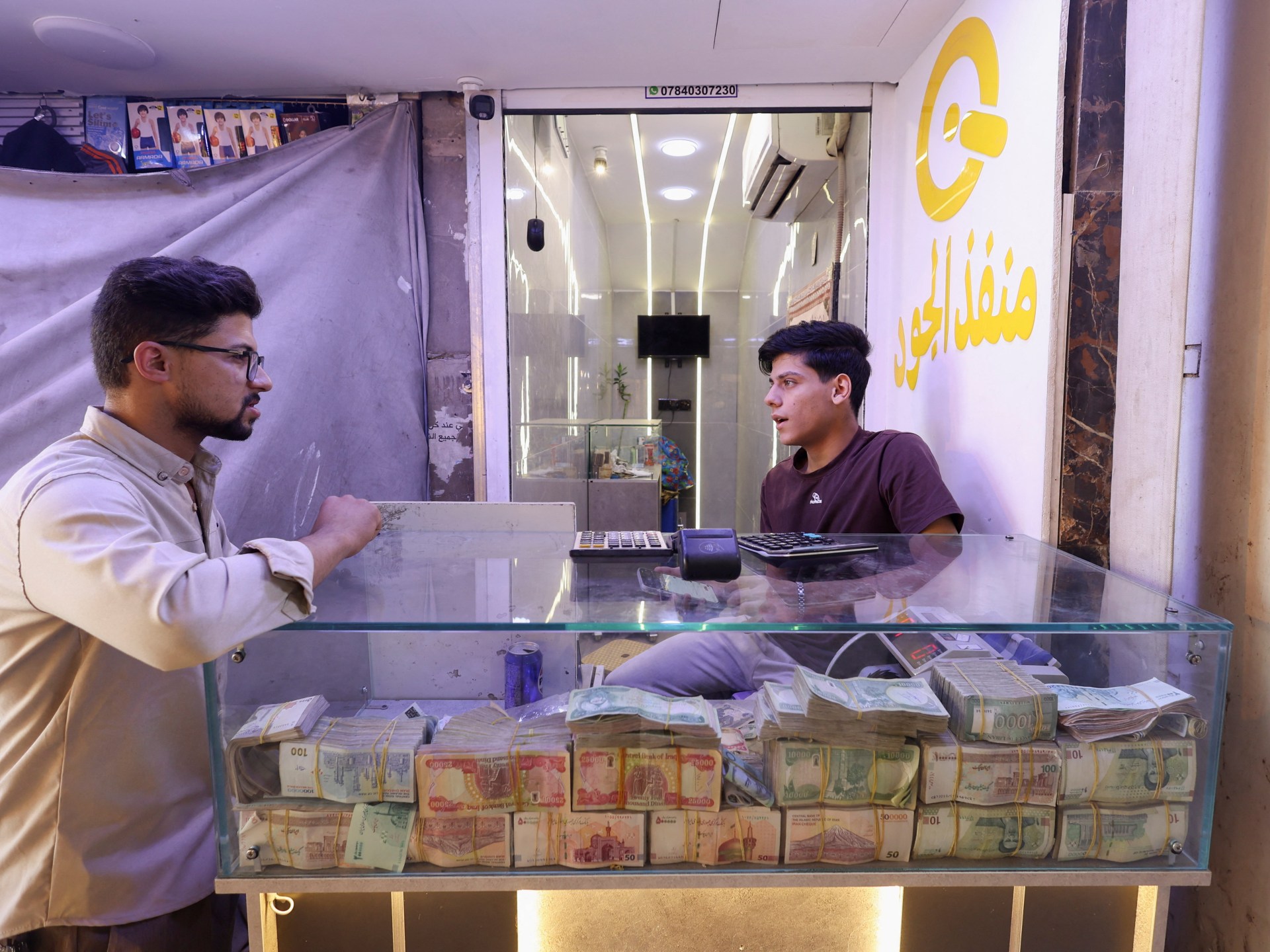
Iraq has devalued its national currency, setting the official exchange rate at 1,520 dinars per dollar from 1,320, a move that gives the government more dinars for each dollar earned from oil. The cabinet approved the new rates on Tuesday after an emergency recommendation from Finance Minister Falih al‑Sari and Central Bank of Iraq (CBI) governor. From Wednesday, banks and exchange companies began selling dollars to the public at the new rate.
The decision follows the adoption of Iraq’s 2027 annual budget, which projects spending of 217 trillion dinars (about $166 billion) and a deficit of more than 40 trillion dinars ($30 billion). The shortfall reflects the financial strain caused by the U.S. war on Iran, which has disrupted shipping through the Strait of Hormuz. Iraq’s oil exports, which must transit Hormuz to reach global markets, fell by as much as 90 % during the conflict, dropping to 2.34 million barrels per day in August from a pre‑war average of 3.6 million. Prime Minister Ali al‑Zaidi said the country had lost about $60 billion in oil revenue, and that oil revenue—more than 90 % of the federal budget—has made it harder to pay state salaries. The CBI’s foreign‑currency reserves fell from about $106 billion before the war to roughly $80 billion by late August.
Iraqi analyst Mohammed al‑Saffar told Reuters that the devaluation “gives the government more dinars for each dollar of oil revenue, but raises import costs and reduces households’ purchasing power.”
Many MPs have opposed the move, arguing it will raise the cost of living for ordinary Iraqis. In a joint statement on Wednesday, dozens of MPs said they had not been informed about the decision and that the CBI should have explained it to parliament before it was taken. MP Aziz Nasser al‑Shammari, a member of the parliament’s integrity body, called the decision “surprising” and said it was “waging war on the poor.” Hassan al‑Asadi, leader of the al‑Nahj National Alliance bloc, rejected the measure and suggested alternative budget‑balancing methods, such as cutting unnecessary spending. MP Saba al‑Saadi also opposed using a weaker dinar to plug the budget gap, blaming the Finance Ministry and the CBI for financial mismanagement and vowing to bring the matter before parliament for review.
A weaker dinar means imports become more expensive, raising costs that have already risen due to regional instability. Iraq relies on imports for food, medicines and raw materials. Last month, consumers and business owners reported significant price increases since the Iran war began, on top of delays and disruptions to seaborne imports. Opposing MPs criticised the adoption of the measure at a time when Iraqis were already facing rising prices, import fees, taxes, unemployment and delays in government salary and welfare payments. Al‑Asadi warned that the growing gap between the official and parallel dollar rates could “inflict severe harm on the poor and vulnerable.” After the new official rate took effect, the parallel market rate rose as well, widening the gap.
Iraq has devalued its dinar before. In December 2020, the rate was moved to 1,450 per dollar from about 1,182 after a crash in oil prices left the government short of cash. A leaked draft budget had set out the move alongside salary cuts, prompting an outcry from state employees. At the time, Mohammed al‑Daraji, a member of parliament’s finance committee, said the weaker rate would help cover the budget gap but warned of steep price rises unless the government helped poor families. In January 2023, after the dinar slid to about 1,670 per dollar amid U.S. curbs on dollar flows, then‑Prime Minister Mohammed Shia al‑Sudani replaced the central bank governor. His government later strengthened the dinar, setting the public rate at 1,320. The MPs who issued Wednesday’s joint statement also asked how citizens would be affected by the dollar rate being cut under the previous government, only to be raised again.
Frequently asked questions
What is the new official exchange rate set by Iraq?
Iraq has set the official exchange rate at 1,520 dinars per dollar.
Why did Iraq devalue its dinar?
The devaluation gives the government more dinars for each dollar earned from oil and helps cover a budget deficit of more than 40 trillion dinars caused by the U.S. war on Iran and a sharp drop in oil exports.
What concerns have MPs expressed about the devaluation?
MPs say the move will raise the cost of living, increase import costs, reduce households’ purchasing power, and that the decision was made without informing parliament.