World
Tanker Captains Earn $150,000 for Risky Hormuz Transits Amid Rising Oil Prices
By Edna Mohamed
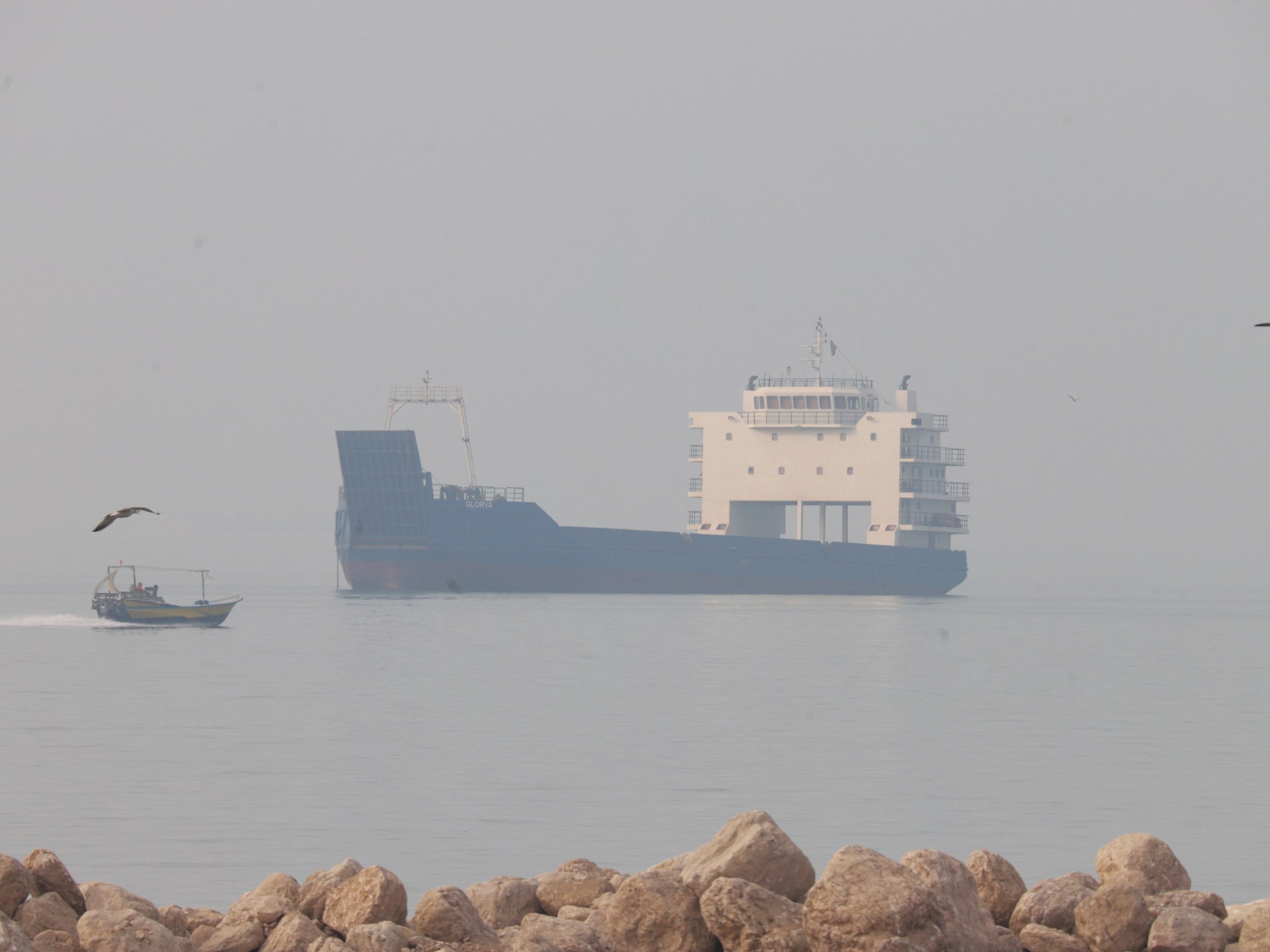
Reports indicate that tanker captains are receiving base salaries of up to $100,000 and a $50,000 per‑trip bonus for navigating the Strait of Hormuz. Shipping traffic through the strait fell to its lowest level since July this week, yet oil exports from the Middle East rose above pre‑war levels at the end of last month, according to shipping data from Kpler. Kpler data shows that at least 16.5 million barrels left the region last month, matching the pre‑war average, excluding Iran, which is under a U.S. naval blockade. About 40 percent of these exports are moving via Saudi Arabia’s East‑West pipeline or through ship‑to‑ship transfers by smaller boats that often turn off transponders to avoid detection.
Attacks on vessels in the strait have continued. The United Kingdom Maritime Trade Operations (UKMTO) reported casualties after projectiles struck a vessel off Qatar’s northern coast on Wednesday night. Since the U.S.–Israel war on Iran began in late February, Tehran has largely closed the strait, allowing only limited vessels clearance. Iran has launched strikes on ships crossing without its permission, while the U.S. has imposed a naval blockade on Iranian ports and escorted some vessels.
Saul Kavonic, energy head at MST Marquee, told Reuters that the frequency of Iranian attacks on ships is now at the highest point since the war began and is likely to intensify. He added that constrained product flows, extreme logistics costs and the high likelihood of Iranian escalation are keeping oil prices elevated.
Oil prices rose on Thursday morning: Brent crude futures increased by $2.28, or 2.28 percent, to $102.28 a barrel by 04:27 GMT, while U.S. West Texas Intermediate crude futures gained $1.66, or 1.88 percent, to $89.94.
The Financial Times reported that tanker captains can now command a base salary of $100,000 plus a $50,000 per‑trip bonus, allowing crews to earn four to six times their normal salaries. The Wall Street Journal reported that shipping companies are spending between $30 million and $40 million for a single round trip to move oil in and out of Hormuz through ship‑to‑ship transfers. Many sailors willing to risk the trip come from India, the Philippines and China.
Captains of larger ships and tankers often turn off lights and transponders to navigate the strait. Bloomberg spoke to a captain who said his vessel, which frequently carries barrels at night, is given strict instructions: no lights, no phones, and only one radar on as they cross. He described using the coast and lighthouses for bearings and noted that the journey is “quite challenging.” After seeing a fire ahead on one trip, the captain called the U.S. Navy, which has been assisting ships on routes through the waterway to avoid mines. Another captain of an LNG tanker said his journey began by turning off the breaker that connects the ship’s location transponder to hide their whereabouts while traveling along the Omani coast. Crew members also barricade the main decks with sandbags in case drones or missiles attack them. Shipping executives estimate a one‑in‑20 chance of being hit while crossing the strait at present.
Frequently asked questions
What is the compensation for tanker captains navigating the Strait of Hormuz?
Base salary up to $100,000 plus a $50,000 per‑trip bonus.
How many barrels of oil left the Middle East last month?
At least 16.5 million barrels left the region last month, matching the pre‑war average.
What is the estimated chance of a vessel being hit while crossing the Strait of Hormuz?
Shipping executives estimate a one‑in‑20 chance of being hit while crossing the strait.