Education
From Anxiety to Parliament: 5 Practical Tips for Overcoming Public Speaking Fears
By Today News Hours Editorial Desk
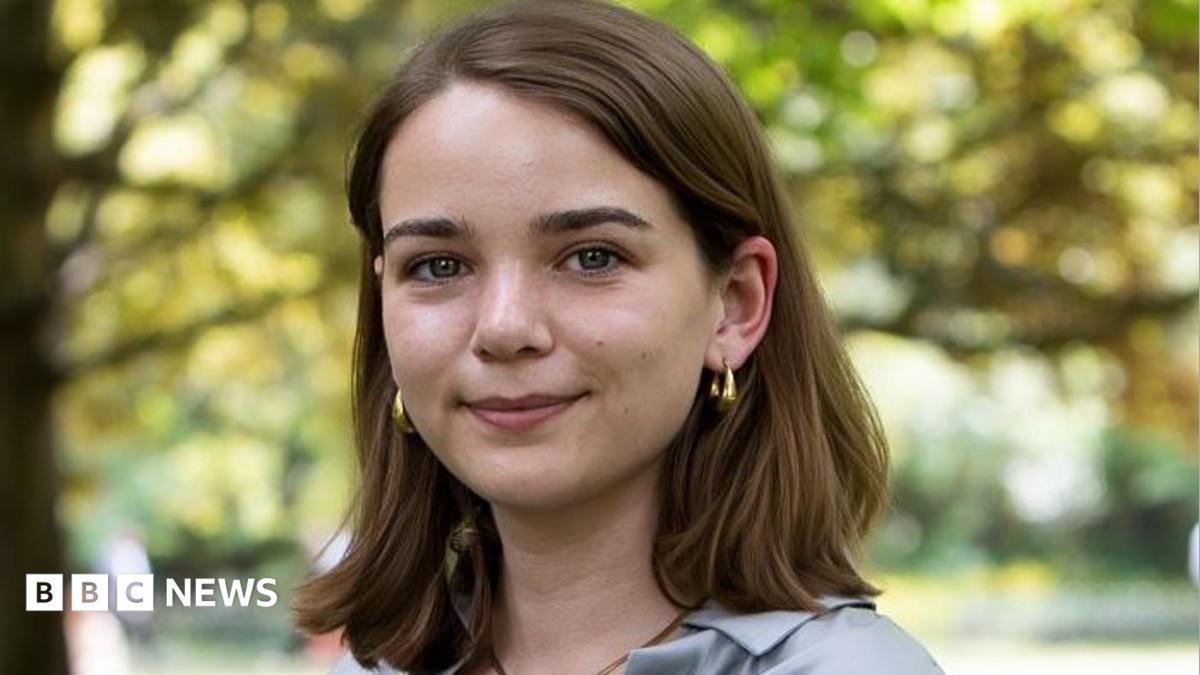
Dani Payne, now 28 and working in a cross‑party think tank, once had a doctor’s note to excuse her from presenting at school and university. After overcoming a severe anxiety disorder, she now speaks in parliament, sits on discussion panels and presents social media videos, saying she does some form of public speaking most days.
Payne’s journey began in her second year of university when she was invited to present on a subject she was passionate about. She presented research for her dissertation on sexual misconduct in academic fieldwork settings, which helped her confront her fear. Her advice is to seek or create opportunities to speak about something you care about, as passion can make the task easier.
Documentary producer and journalist Daisy Schofield, 32, also struggled with panic attacks during university presentations. She avoided public speaking until her first job required her to present company statistics on Teams every Monday. To build confidence, Schofield now practices with a virtual‑reality headset she bought online for £10, creating a fake audience. Neuroscientist Prof Nazanin Derakhshan of Birkbeck, University of London, recommends focusing on six breaths per minute before presenting, breathing in for five seconds and out for five seconds.
Stand‑up comedian, writer and public‑speaking coach Viv Groskop suggests choosing a single word that captures the core message of your speech, such as “clarity,” and using a post‑it note on your laptop camera to remind yourself to look at the audience rather than the screen. She also advises wearing comfortable clothing and avoiding distractions like phone use before a talk.
Payne stresses that public speaking is a skill that must be practiced, comparing it to learning to play a guitar. Groskop notes that many people spend up to eight hours a day on Teams or Zoom, and that those who are good at public speaking have simply practiced more. Derakhshan adds that vulnerability is an asset; making mistakes and handling them with humor can endear audiences.
Additional reporting by Simon Richardson.