Business & Finance
US Luxury Credit Card Spending Drops 6% YoY in September, Citi Data Shows
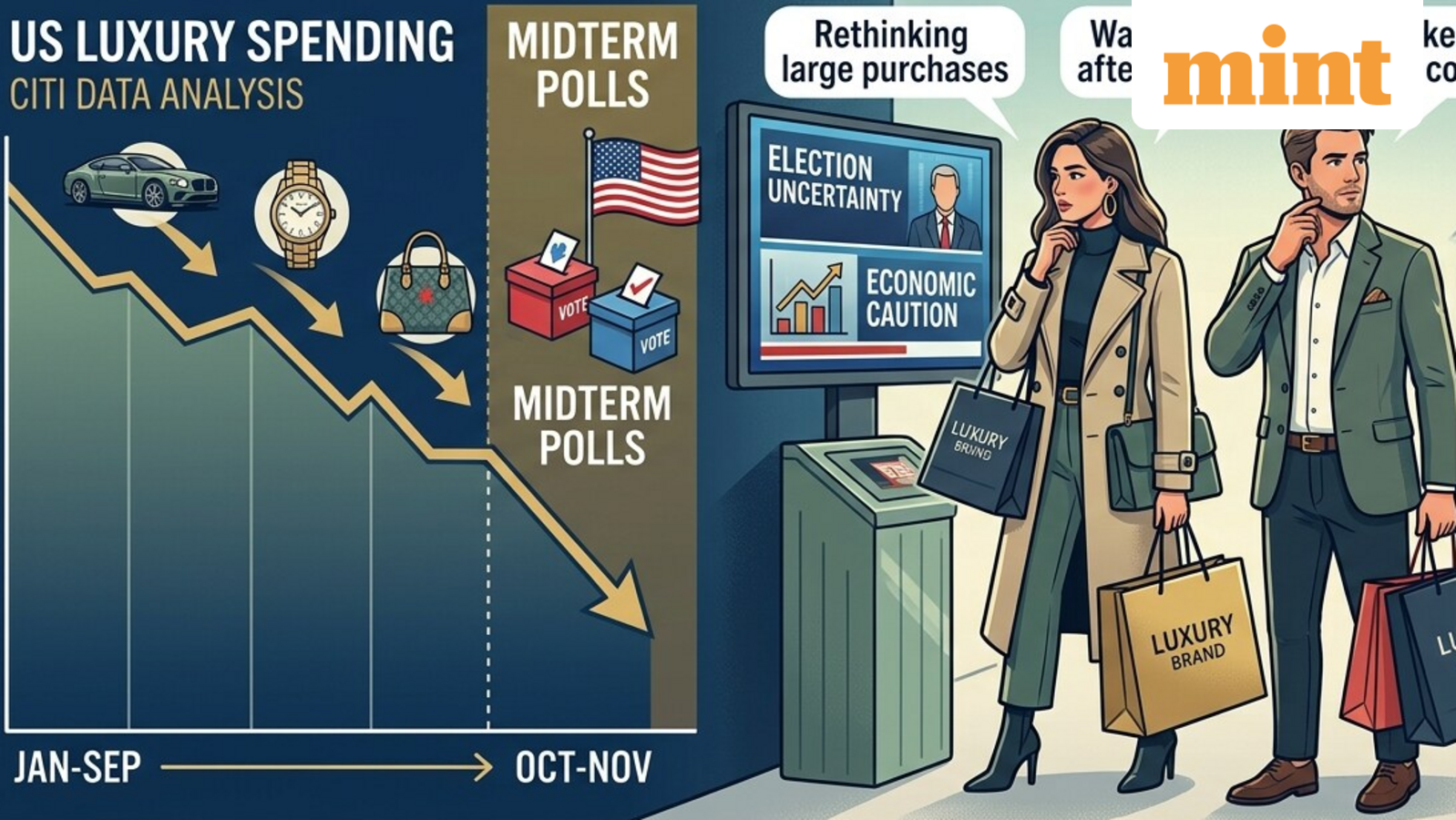
Citi’s latest data shows that U.S. luxury credit card purchases fell 6% year‑on‑year in September, marking the third consecutive month of decline after 4% drops in July and August. The figures are based on millions of credit‑card transactions. The slowdown comes as the country heads toward the November 3 midterm elections, with surveys from the Conference Board and the University of Michigan indicating growing unease about the economy.
Luxury brands have long relied on wealthy U.S. consumers to offset weakness in other major markets, especially after prolonged softness in China and the fallout from the Iran war. In September, while spending on leather goods and ready‑to‑wear items improved sequentially, purchases of watches and luxury jewellery fell further. Most soft‑luxury brands—apparel, shoes and leather goods—raised prices by low single‑digit percentages, slightly below the increases seen by watch and jewellery makers.
The top U.S.‑exposed luxury names include Tapestry (owner of Coach and Kate Spade), LVMH (Louis Vuitton, Tiffany, among others) and Italy’s Ferragamo. Morgan Stanley analysts warned in September that the downturn in U.S. luxury spending limits the potential for a return to growth.
The upcoming earnings season may clarify whether the weakness is spreading across the sector. LVMH is scheduled to report third‑quarter sales on October 12, and Kering, owner of Gucci, will report on October 22, having already signalled a slowdown in the U.S. market.
Citi’s September data suggests that even affluent U.S. shoppers are becoming more cautious, indicating that the U.S. may no longer be an unlimited source of growth for luxury brands.