World
Bosnia’s Latest Election Reaffirms Ethnic Party Dominance
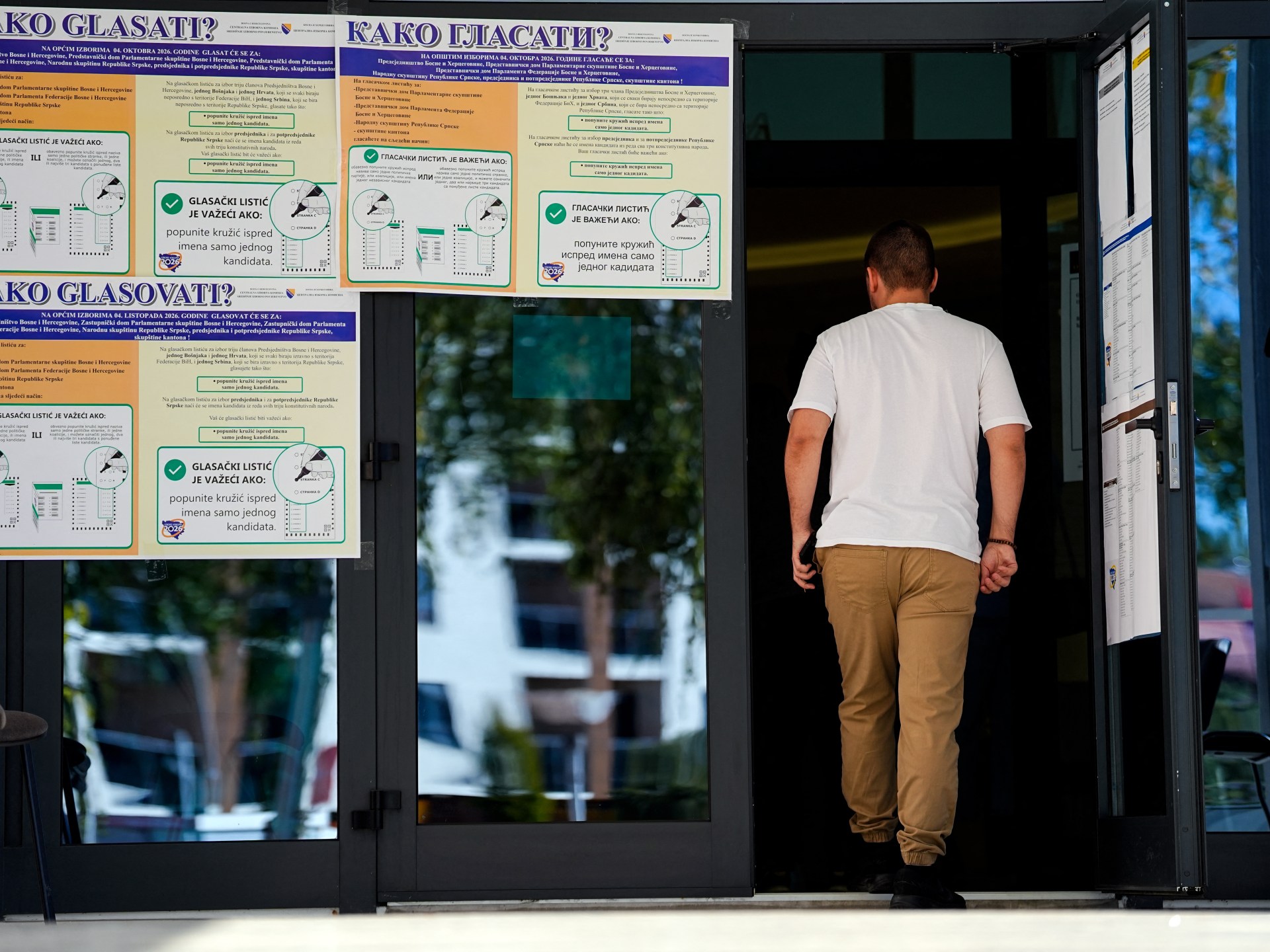
The general election held on October 4 in Bosnia and Herzegovina produced results that mirror the pattern seen in most elections over the past thirty years. Nationalist parties organized largely along ethnic lines secured decisive victories, confirming analysts’ warnings that the country has regressed thirty years and faces a bleak future. The election outcome offers little hope for improvement amid the greatest post‑war crisis in recent history.
The country’s complex electoral system—one state, two entities, Brčko District, three constituent peoples, 10 cantons and 144 municipalities—continues to produce a dysfunctional state. The House of Peoples, a key parliamentary chamber, has been a major obstacle to Bosnia’s EU and NATO integration over the last two years. Delegates from the Croatian Democratic Union of Bosnia and Herzegovina (HDZ BiH) and the Alliance of Independent Social Democrats (SNSD), the dominant party in Republika Srpska for two decades, have repeatedly blocked the chamber’s work by breaking quorum when the agenda did not suit them.
In the recent vote, HDZ BiH and SNSD again captured a large share of the Croat and Serb vote at both the entity and state levels. They will hold at least three delegates each in the state‑level House of Peoples and will shape the rules and laws that serve their interests. This outcome is seen by some as a “continuation of war by peaceful means,” suggesting that Bosnia’s path to the European Union will remain blocked.
The Bosniak or pro‑Bosnian parties are deeply divided and lack the cohesion to translate their rhetoric into effective governance. The Party of Democratic Action, which won the largest share of the vote in the Federation of Bosnia and Herzegovina, appears poised to return to power, but many view its success as a result of the weakness of other parties rather than its own merits.
The election was conducted with modern technology, including electronic ballot scanning and rapid result announcement. However, the country still faces severe economic hardship, a fragmented security apparatus, and a police force that is politically influenced by neighboring Serbia and Croatia. The United States continues to support the Dayton Peace Agreement but is increasingly focused on pragmatic, financial interests, while the European Union remains uncertain about how to engage Bosnia.
The last census in 2013 remains disputed, and official turnout was just over 40 % of the 3.4 million registered voters, suggesting a higher turnout among residents. Many young, educated Bosnians have emigrated in search of better opportunities, leaving the country to confront the question of whether it can survive the return of three nationalist parties in a changing global context.
The views expressed are the author’s own and do not necessarily reflect Al Jazeera’s editorial stance.