Sports
Cambodian Workers Make Premier League Shirts for Less Than £1 an Hour
By Tom Grundy
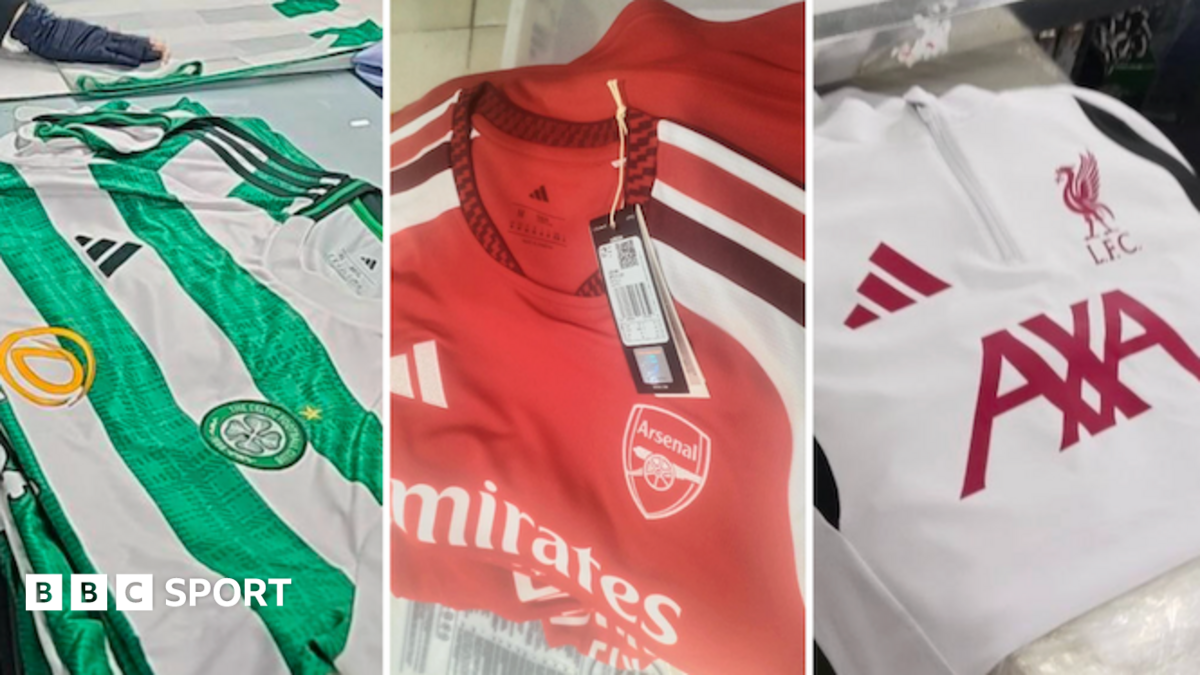
Workers in Cambodia are earning less than £1 an hour to produce official football shirts for major clubs, according to a BBC Sport investigation. The report traced authentic replica kits to Bowker Garment Factory and Trax Apparel in Cambodia, where conditions were described as grim. Employees reported working up to 700 items a day on production lines for clubs such as Arsenal, Celtic, Liverpool and Real Madrid. They also described factory temperatures above 35 °C, verbal abuse when targets were missed, and safety concerns with electrical equipment.
The Clean Clothes Campaign said the findings painted a very grim picture, noting that low pay and high temperatures are common in Cambodia’s garment industry. Research published last year showed that of a typical £85 shirt, £8.50 covers fabric, sewing and shipping, £37.45 goes to the retailer, £16.25 to the manufacturer, £9.50 on marketing and £13.60 in VAT.
Adidas does not own either factory but both are primary suppliers subject to its workplace standards. The sportswear giant supplies eight of the 20 Premier League teams and says it has taken measures to ensure fair and safe working conditions, including around 1,200 factory audits per year.
At Bowker Garment Factory, about 3,400 people—most of them women—work on the outskirts of Phnom Penh. Trax Apparel employs about 3,200 people 10 miles east. Fabric is imported from Thailand and Vietnam before a specialist tailor makes a sample for other employees to follow. Much of the shirt‑making process, including sewing, ironing and packaging, takes place at these factories.
Workers typically work six eight‑hour shifts a week and, according to five payslips seen by the BBC, receive basic monthly salaries of $210‑$220 (£158‑£166). Three payslips indicate total monthly earnings of about $300 (£226) once overtime and allowances are included, albeit with significant extra hours worked. A Bowker worker said she had little left after rent, food and utilities, while a Trax worker noted that one shirt costs more than two weeks’ salary for a worker.
Trax said its average monthly employee earnings range from $305‑$342 (£230‑£258) this year. Adidas said average net wages across a sample of its Cambodian suppliers were 34 % above the Anker Research Institute’s living‑wage benchmark.
Workers at both factories described pressure to meet group production targets of between 300 and 700 items a day. Some reported verbal abuse when targets were missed and electrical shocks from exposed wires. Adidas said both factories had heat‑management measures, that its standards do not permit harassment, and that no electrical‑related accidents had been found in Bowker’s records. Trax acknowledged periods of elevated temperature but said cooling systems were in place and insisted its approach is not based on enforcing output targets.
The ILO report of 2024 found that 69 % of Cambodian factories had heat issues and 84 % had worker protection issues.
Fans of Premier League clubs have complained that official shirts have become overpriced, with some paying £95 for a single shirt. The average price of an adult replica Premier League shirt has risen by 50.7 % over the past decade, fueling demand for counterfeit shirts sold for as little as £12. Counterfeit shirts often originate from China, and police and Trading Standards warn that they may be manufactured without regard for safety standards or workers’ rights.
The Premier League expects clubs to carry out due diligence on their kit manufacturers and supply chains. None of the clubs named in this article responded to requests for comment. Anna Bryher of Labour Behind the Label said, “Respect has got to be a baseline in sport. Clubs need to send a really strong message that they won’t put their name on a shirt if workers are not treated with respect.”