Education
Supernumerary Seats Scheme Boosts Women’s Enrollment at IITs to 20%
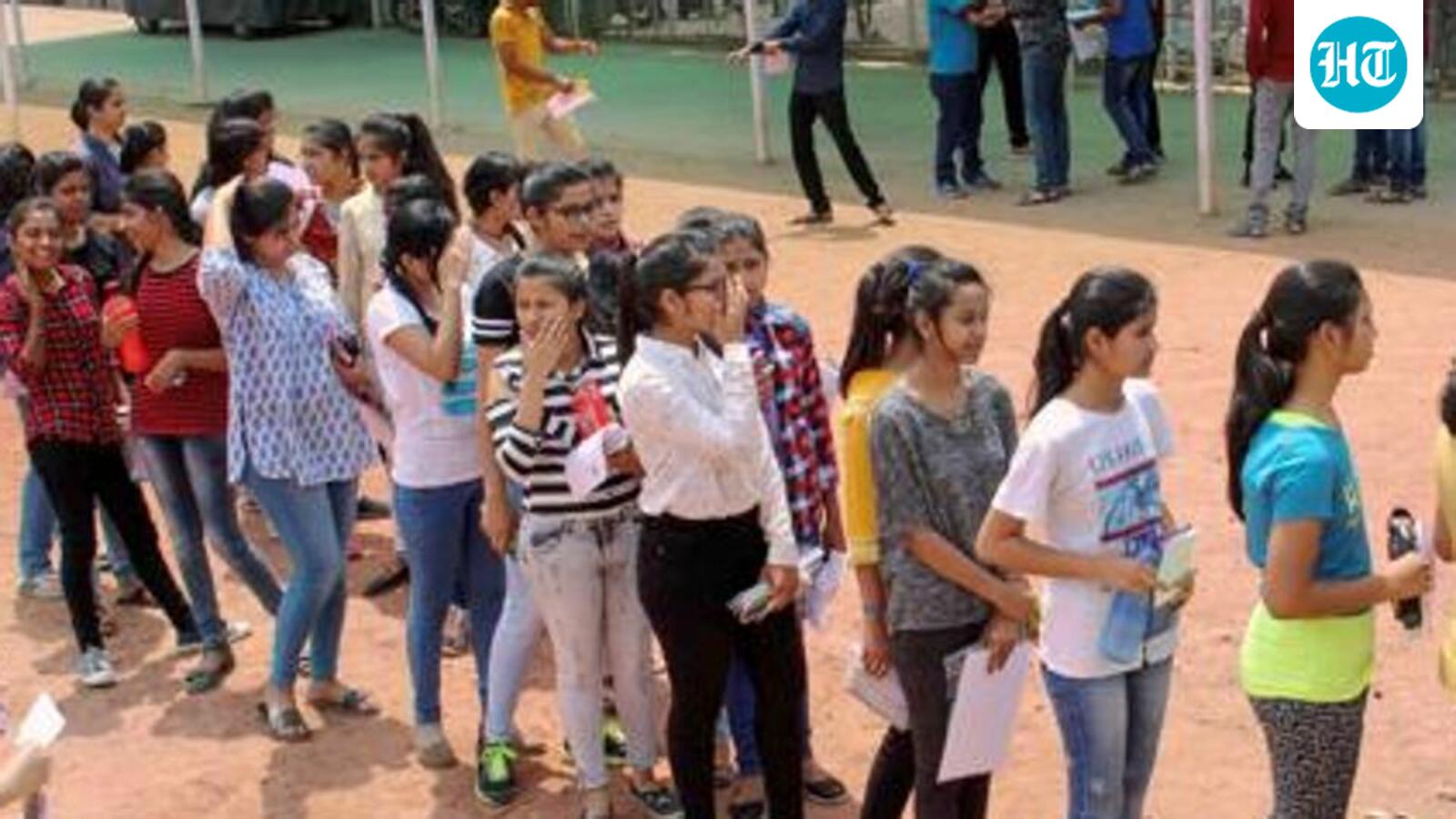
The Supernumerary Seats Scheme (SSS), launched in 2018, was designed to improve gender ratios among undergraduate engineering students at India’s 23 Indian Institutes of Technology (IITs). Between 2013 and 2020, women represented only 7 % to 9 % of Bachelor of Technology (BTech) students at the IITs, despite comprising 28 % to 29 % of engineering undergraduates nationwide. The SSS created additional seats for women in branch‑institute combinations where their representation was below a 20 % target, while programmes already meeting the target required no extra seats. The scheme also added women‑only seats within reserved categories, benefiting Scheduled Caste (SC) and Scheduled Tribe (ST) women. The proportion of SC/ST women rose from about 12 % in 2014 to about 20 % in 2021.
Students report that the scheme increases visibility and motivation for women in engineering. Akshaya Jha, a fourth‑year BTech student at IIT (ISM) Dhanbad, said the SSS helps create a community of women engineers that encourages other girls to pursue higher studies.
From 2021 to 2026, more than 10,000 women qualified for the Joint Entrance Examination (Advanced) (JEE Advanced). Of 43,112 women registered for the national‑level engineering entrance exam, 10,107 qualified, giving a qualification rate of 23.4 %—the highest in six years, according to IIT Roorkee’s Joint Implementation Committee (JIC) report dated 3 October. In 2025, 9,404 women qualified out of 43,413 registrations (21.7 % success rate). The number of women qualifiers increased by 7.5 % even as registrations fell 0.7 % to 43,112 in 2026. In 2026, women accounted for 23 % of the 187,389 JEE Advanced registrations but only 17.8 % of the 56,880 qualifiers.
The SSS applies after qualification. The JIC report noted that qualifying criteria were relaxed to ensure at least twice the number of candidates qualified compared to available seats in each category, with no separate cut‑off for women in 2026. Women were subject to the same category‑wise criteria as other candidates. The Common Rank List (CRL) cut‑off in 2026 was 92 out of 360, up from 74 in 2025.
In 2026, women were allotted 3,814 of 18,861 IIT seats (20.22 %), compared with 20.15 % in 2025. Of these, 3,777 were through women‑only seats and 37 through the gender‑neutral pool, reflecting the SSS’s impact on achieving a 20 % representation target.
A study by Nandana Sengupta and Ravinder Kaur of IIT Delhi and Rohit Munshi of the University of Houston, published in November 2025 in the Springer journal Higher Education, found that before the SSS women constituted 11 % to 13 % of JEE Advanced qualifiers, and a smaller proportion of qualified women entered IITs. The additional women‑only seats helped close that gap without reducing overall seat numbers. The study also noted that post‑SSS, rank gaps between women‑only and gender‑neutral seats are smallest for traditionally male‑dominated programmes, and that high‑ranking women increasingly choose branches such as computer science, electrical and mechanical engineering. The authors suggest that a larger presence of women in IITs may alter perceptions of engineering as a male‑dominated field and encourage more women to consider these institutions.