Technology
Hydrogen Stove Offers India a Clean‑Cooking Alternative Amid LPG Shortages
By Reva Thakkar
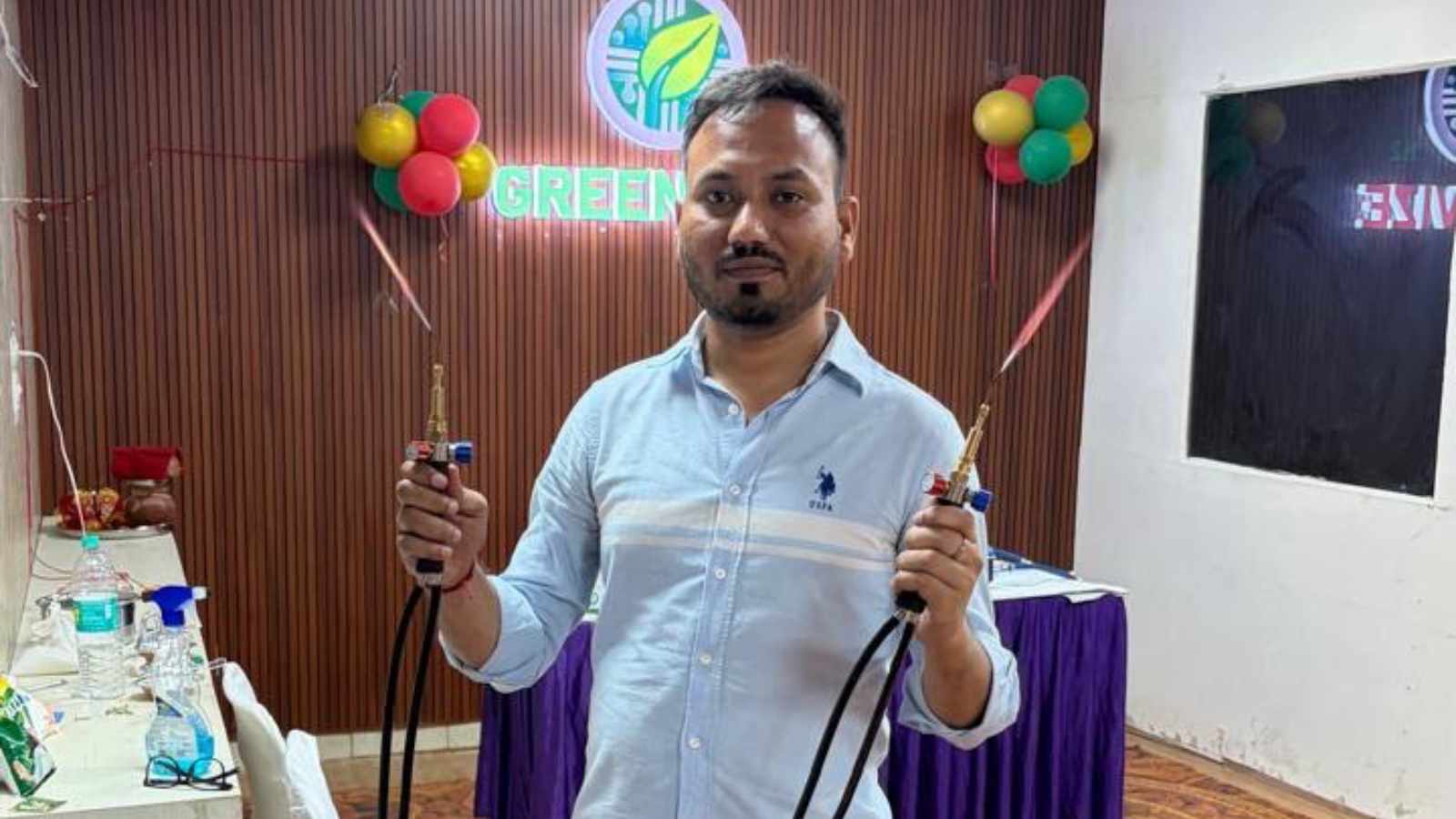
Vikash Kumar, a 33‑year‑old from Vaishali district in Bihar, grew up cooking with firewood, cow dung or LPG cylinders. The West Asia conflict worsened the LPG crisis, driving cylinder prices to Rs 8,000 and forcing long queues. Seeking a permanent solution, Vikash discovered a hydrogen stovetop from a Faridabad‑based company on Instagram and YouTube. The stove splits water into hydrogen fuel using a built‑in Proton Exchange Membrane (PEM) electrolyser; the hydrogen then burns cleanly, producing only water vapour.
India imports nearly 60 % of its LPG, most of it via the Strait of Hormuz. The conflict cut monthly imports from two million tonnes to less than one million, a decline of over 50 %. Hydrogen cooking could reduce dependence on fossil fuels and cut indoor air pollution.
At the World Hydrogen Summit in Rotterdam in May 2026, Vision Mechatronics and HyCooker BV signed a cooperation agreement to commercialise hydrogen cookstoves, positioning India as a manufacturing hub under the Aatmanirbhar Bharat programme.
IIT Bombay professor Prakash Chandra Ghosh, working with Zest Clean Power, demonstrated a 25 kW solar‑powered green‑hydrogen unit that produced 2.5–3 kg of hydrogen per day, enough for 200–250 meals. Ghosh says the technology cuts indoor pollution, lowers cooking temperatures, and supports gender equality.
Vikash purchased a domestic double‑burner model from GreenVize a few months ago. He says the stove is simple, compact and eliminates worries about gas shortages or price spikes.
GreenVize’s co‑founder Sanjeev Kumar explains the company’s goal: to create a practical, locally produced hydrogen system that does not rely on imports. The stove’s process involves adding water to an internal tank, electrolysing it into hydrogen and oxygen, conditioning the hydrogen, and combusting it in a catalytic burner. Electrolysis starts within 30 seconds of switching on.
The domestic model with a 3‑litre tank costs Rs 1,05,000 for a single burner and Rs 1,50,000 for a double burner; the commercial stove is Rs 3,50,000. A 3‑litre tank lasts about a month for an average user, yielding an estimated 3 tons of CO₂ savings per year.
GreenVize registered in January 2025 and made its first sale to the Indian Army in March 2026. The army now uses the stove in high‑altitude areas of Jammu. The company also sells hydrogen dispensers, fuel‑cell systems, biomass power plants and oxygen/nitrogen generators.
India’s National Green Hydrogen Mission targets 5 million tonnes of green hydrogen by 2030, 10–100 GW of electrolyser capacity and 5 lakh new green jobs, with Rs 17,490 crore in incentives. GreenVize has applied for the Biotechnology Ignition Grant Scheme to support scaling.
At a BIS workshop in August, GreenVize’s cooktops were showcased as a case study. The company plans to export to the Maldives and other countries once costs fall.
Customers such as Alpana Bareh and her husband in Meghalaya’s West Jaintia Hills praise the commercial stove’s speed, safety and cost‑effectiveness compared to LPG.
Sanjeev acknowledges the high current cost and the need for mass production to bring prices down. He says the priority is to prove commercial viability before scaling.
The hydrogen stove offers a clean‑fuel alternative that could transform cooking in India and beyond, especially as LPG supply remains volatile and expensive.