India
Odisha Forms Commission to Examine Backward Class Representation in Local Bodies
By Sujit Bisoyi
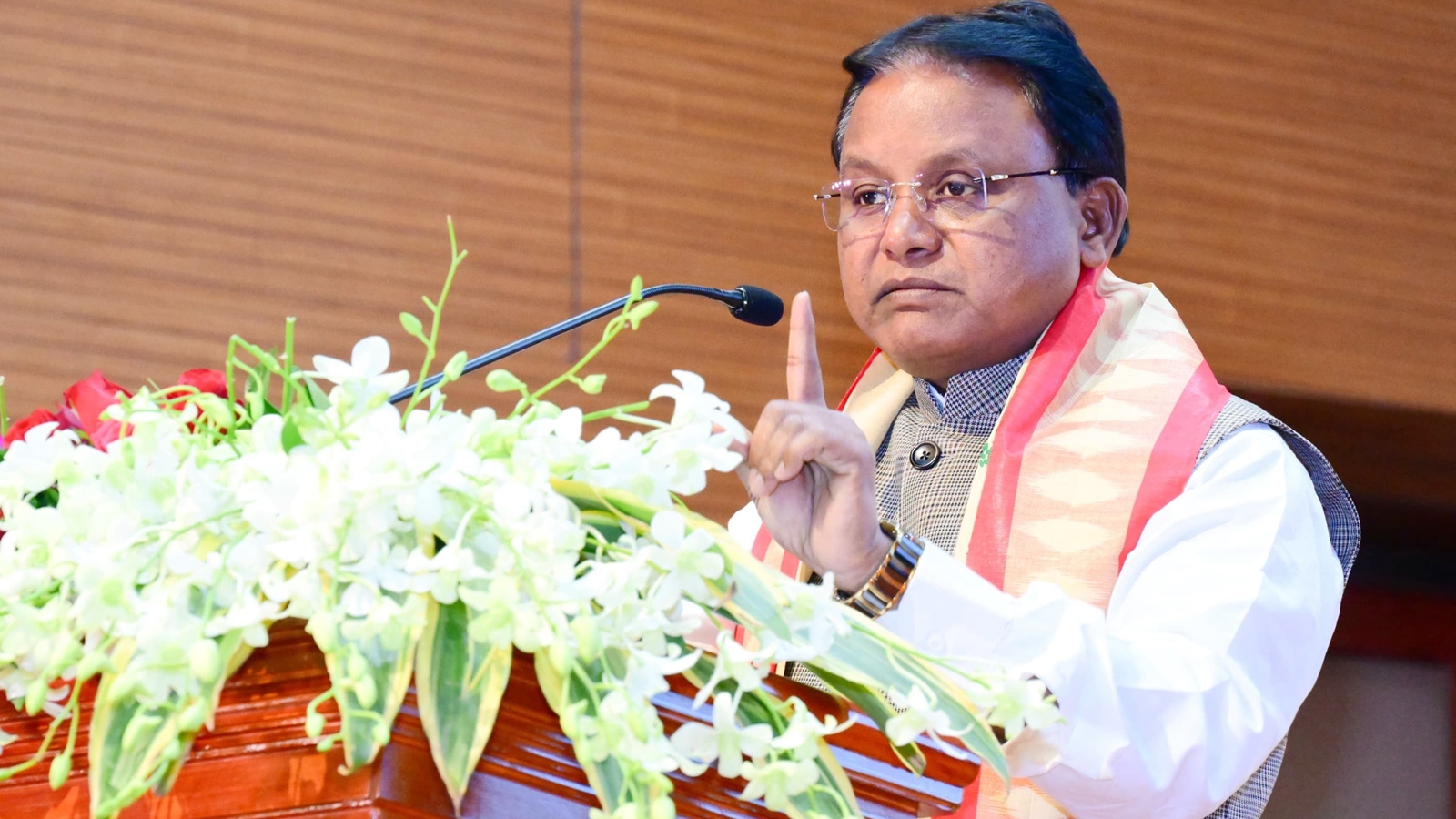
The Odisha government has set up a commission to investigate the representation of socially and educationally backward classes (SEBC) in local self‑government institutions and to assess their overall political representation. The body, headed by retired High Court judge Pramath Patnaik, will examine the “nature and implications of political backwardness” of SEBC categories, which make up a large portion of the state’s population. Officials said the notification was issued after the proposal was approved by Chief Minister Mohan Charan Majhi. The commission will study the proportion of SEBCs in rural and urban populations and compare that to their representation in municipal corporations, municipalities, notified area councils and panchayati raj institutions. It will also evaluate their political representation and the extent of their political backwardness. According to an official statement, the findings will help the government consider measures to ensure adequate representation of people belonging to backward classes in local self‑government institutions. The move comes ahead of the forthcoming panchayat and urban local body polls scheduled for early next year and at a time when opposition parties – the Biju Janata Dal and the Congress – have intensified demands for increased reservation for backward classes in the state. While Scheduled Castes and Scheduled Tribes comprise about 40% of the state’s total population, unofficial data suggests that backward classes could account for around 54%, though no official study has confirmed this figure. Despite their large demographic share, SEBCs currently have only 11.25% reservation in state government jobs. The Majhi government recently also announced an 11.25% quota for SEBC students in medical, engineering and other technical courses.