Agriculture
Illegal GM Cotton Hybrids Account for Up to 30% of India’s Cotton Planting, Study Finds
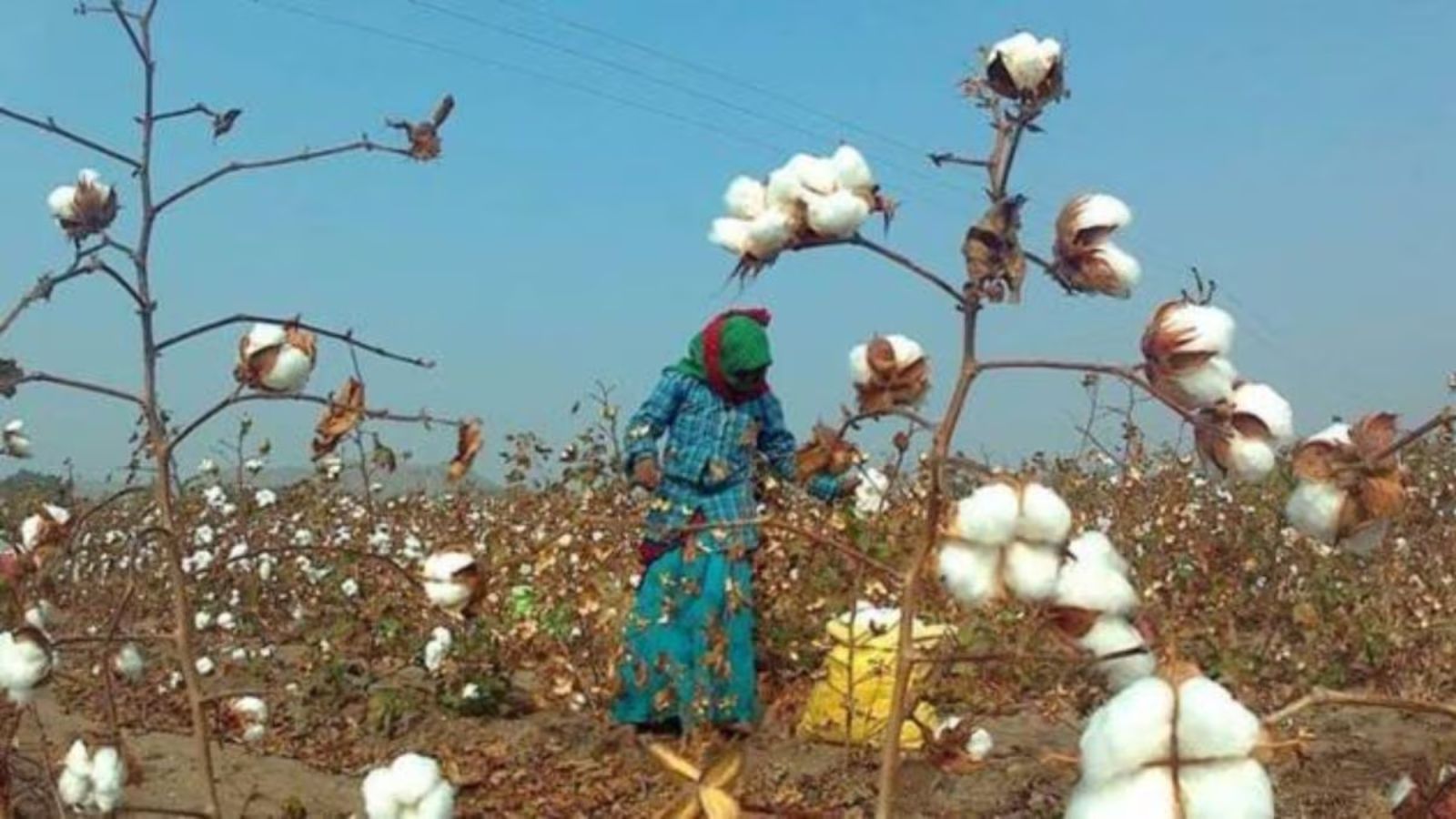
A field study commissioned by the Federation of Seed Industry of India (FSII) and the National Seed Association of India (NSAI) estimated that between 26.2 and 29 lakh hectares of the 114.8 lakh hectares sown with cotton in 2025‑26 were planted with hybrids containing unauthorised herbicide‑tolerant (HT) or Bacillus thuringiensis (Bt) genes. India permits only two Bt genes—cry1Ac and cry2Ab—isolated from the soil bacterium Bt. The study found farmers were also planting hybrids with the cp4‑epsps and Vip3A genes, both of which are not approved by the government.
The research sampled 227 geo‑tagged seed or leaf samples from 984 farmers in 16 districts across Maharashtra, Telangana, Andhra Pradesh and Rajasthan. The districts were chosen using secondary data such as glyphosate sales, farmer interactions and seed market intelligence. Gene identification was performed with dipstick/lateral flow assays and ELISA.
The HT cp4‑epsps gene was detected in 72.69% of the field samples, with the highest rates in Telangana (88.64%), Maharashtra (70.92%), Andhra Pradesh (62.86%) and Rajasthan (57.14%). Bhagirath Choudhary, director of the South Asia Biotechnology Centre in Jodhpur, said the widespread use of HT technology reflects farmers’ shift to glyphosate‑based weed management, which costs Rs 750‑850 per acre compared with Rs 12,000‑15,000 for manual weeding.
Sales of legal Bt cotton hybrids fell from 596 lakh packets in 2022‑23 to 463 lakh packets in 2025‑26, while imports of glyphosate rose 29% from 27,721 kilolitres in 2024‑25 to 35,642 kilolitres in 2025‑26. The study estimates the unauthorised HTBt seed market grew from about 35 lakh packets in 2017‑18 to 82‑88 lakh packets in 2025‑26, valuing the market at roughly Rs 820‑880 crore at an average price of Rs 1,000 per packet.
The Vip3A gene, a next‑generation insect‑resistance gene, was found in 53.74% of the 227 samples, with rates of 58.16% in Maharashtra, 54.29% in Andhra Pradesh, 57.14% in Rajasthan and 38.64% in Telangana. Choudhary noted the gene’s effectiveness against pink bollworm, a pest that first‑generation Bt hybrids are increasingly vulnerable to.
The findings indicate that a growing market for illegal GM cotton seeds is supported by farmers and a sophisticated supplier network that bypasses India’s biosafety and regulatory approval system.