Business & Finance
Japanese Breweries Raided Over Alleged Price‑Fixing Scheme
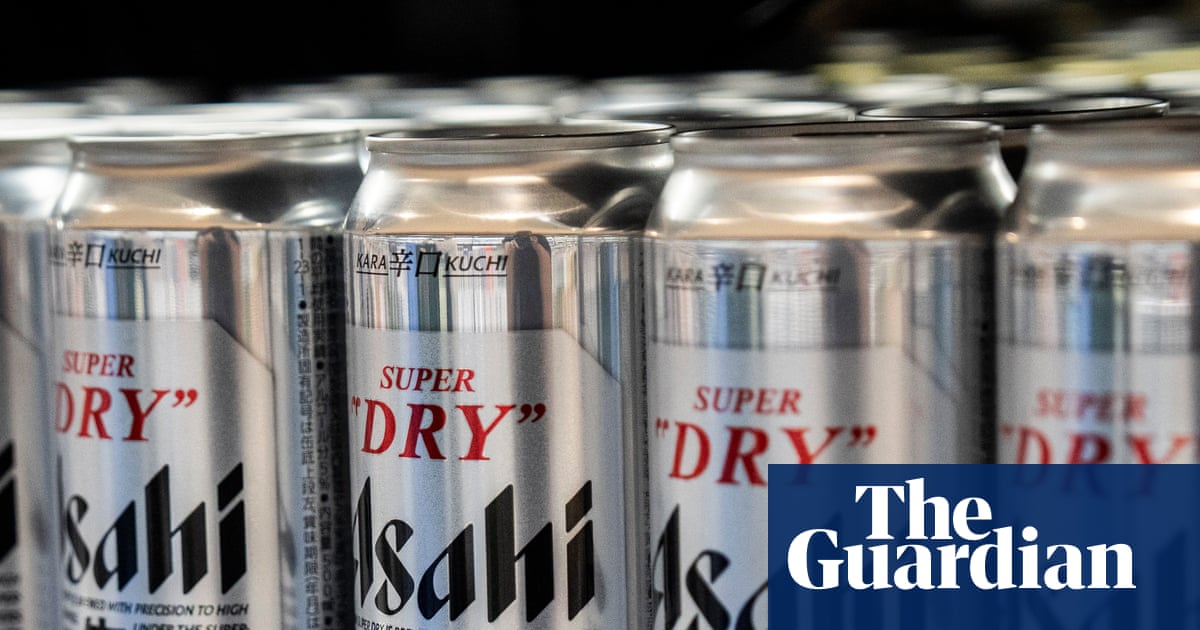
Japanese authorities raided the country’s four largest breweries—Asahi Breweries, Kirin Brewery, Suntory Beer and Sapporo Breweries—after suspicions that they colluded to set the price of beer and other beverages. The Fair Trade Commission searched the companies’ offices this week. Together, the breweries control more than 90 % of Japan’s domestic beer market and are alleged to have violated the anti‑monopoly law. Commission secretary general Hiroo Iwanari confirmed that an investigation has begun but declined to provide details. The breweries said they would cooperate with authorities.
The investigation was reportedly launched because the alleged cartel could have driven up prices for consumers when wholesalers sell to supermarkets, convenience stores, bars and restaurants. Sources quoted by the Mainichi Shimbun said that sales managers and other executives from the breweries were suspected of meeting secretly over an extended period to coordinate the timing and scale of retail price increases, ranging from several yen to several dozen yen at a time. Prices for beer and a low‑malt version called happoshu have risen multiple times to reflect rising raw‑material and logistics costs.
The commission suspects the breweries bypassed proper pricing competition and collaborated to secure profits. Alcohol consumption in Japan has declined in recent decades due to depopulation and changing drinking habits among younger people, but sales still reached ¥3.8 trillion ($24.3 billion) in 2024. Beer accounted for 30 % of total sales, followed by happoshu and third‑category beer, which contains little or no malt, with a combined 11.9 %.
All four breweries raised their prices simultaneously, most recently in April last year, citing rising material and distribution costs. Prices also rose in October 2022 and October 2023. Shares in Asahi, Kirin, Suntory and Sapporo fell after the raids—the first investigation of its kind involving the food and beverage industry. Japanese media quoted sources saying the commission judged the case particularly serious because of its potential impact on consumers and that the probe could lead to a criminal complaint. The investigation follows a raid on six Japanese ice‑cream makers three months earlier over allegations of operating a cartel.