World
Kidnappings in Borno Leave Families Struggling to Pay Ransoms and Seek Rescues
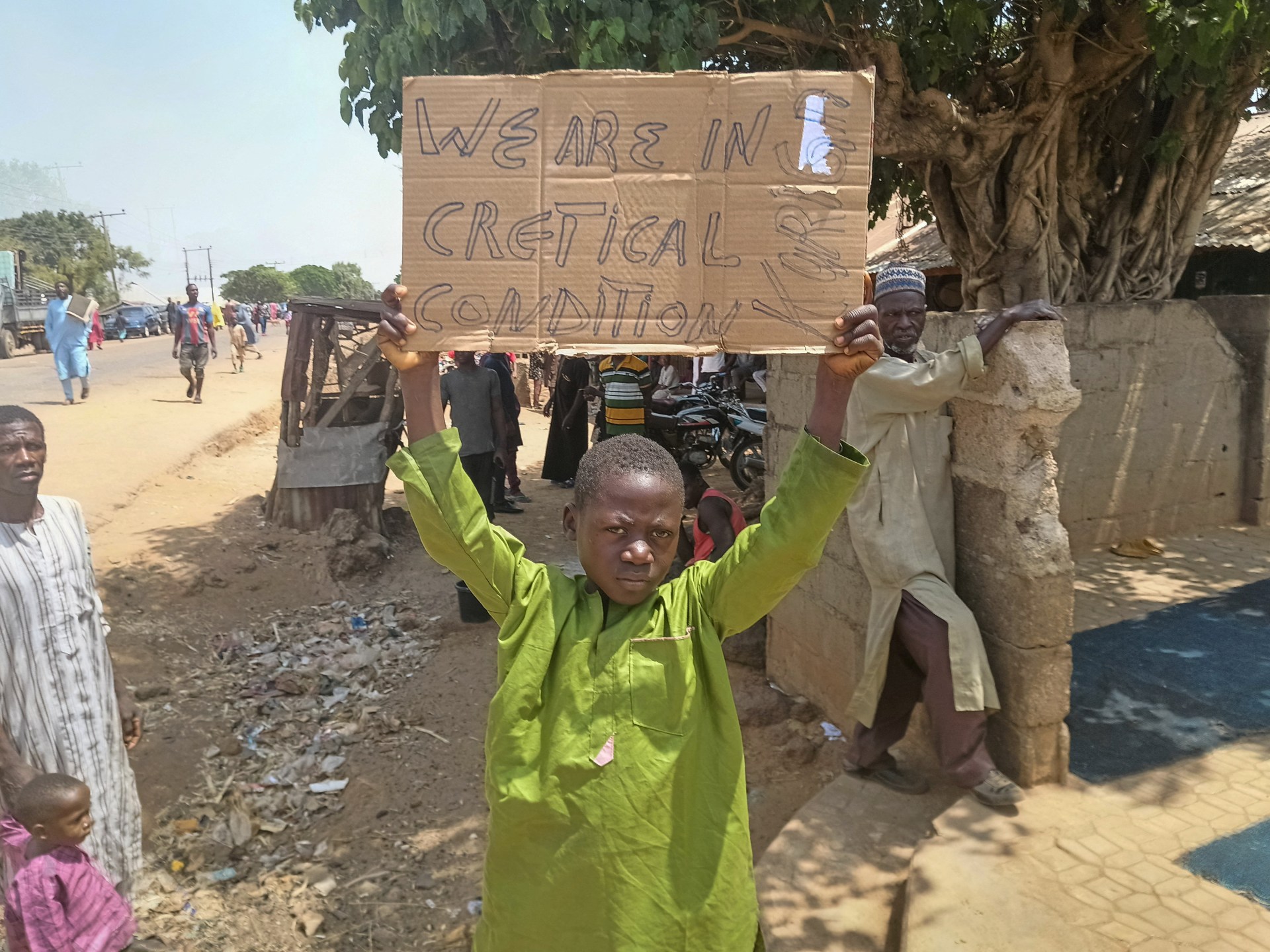
Across Borno State, abductions are draining families’ savings, leaving loved ones missing and disrupting education. In Maiduguri, Musa Abdullahi Wakawa learned that his wife and seven‑year‑old son had been taken. He quickly moved from disbelief to fear as he tried to find a way to meet the ransom demanded for their release. Families in northeastern Nigeria are selling livestock, taking loans, liquidating property and exhausting savings in hopes of securing the return of relatives.
Laraba Dauda, 45, recalls the last call from her younger sister, abducted on 13 January 2026 along the Biu–Buratai road. The sister’s voice pleaded for prayers as she was taken into the bush. Months later, Laraba still does not know her sister’s whereabouts and calls on the government to intensify rescue efforts for those still in captivity.
Anjikwi Hena’s son disappeared on 30 March 2026 after completing his education and preparing to travel to Maiduguri for work. Hena says the sudden loss has been especially painful because of their close relationship.
The kidnapping crisis is also threatening schooling. In Askira‑Uba Local Government Area, only 56 of 113 primary schools remain open after a May attack in Mussa that abducted dozens of children. The Borno State government reports about 44 children still missing from Mussa. On 29 June, armed rebels attacked the Government Day Secondary School in Lassa during National Examinations Council exams; 36 students and a teacher are still in captivity. Authorities have moved junior secondary students from Mussa to a boarding school in Uba, advised local vigilantes to guard schools, and deployed soldiers alongside community volunteers.
Amnesty International Nigeria reports that at least 1,100 people were abducted nationwide between January and April 2026, with many incidents likely unreported. The organisation warns that victims face torture, starvation and sexual violence, and that the fear of abduction is pushing children out of school.
Borno State Commissioner for Information and Internal Security Usman Tar said the government is using both kinetic and non‑kinetic measures, including drones with thermal capabilities, to monitor criminal movements and advise commuters to avoid dangerous routes. He noted that the state has provided financial assistance through the State Emergency Management Agency and the State Humanitarian Agency, and that senior officials have visited affected families.
Professor Khalifa Dikwa, a security analyst, described the kidnapping situation as a profit‑making venture that sustains criminal networks and fuels further abductions. He calls for stronger intelligence‑driven operations, modern weapons, night‑vision equipment, tracking technology, and improved welfare for security personnel.
For families, paying ransom may be the only immediate way to try to save a loved one, while for armed groups, successful payments provide resources to continue abductions. Musa, Laraba, and Hena all remain in waiting, hoping for the return of their missing relatives. In Askira‑Uba, 20 primary schools have closed since the Mussa attack, and dozens of children remain unaccounted for. During her last phone call, Laraba’s sister said, “This is my last communication.”