Science
Nobel Prize in Physiology or Medicine Awarded for Optogenetics Breakthroughs
By Today News Hours Editorial Desk
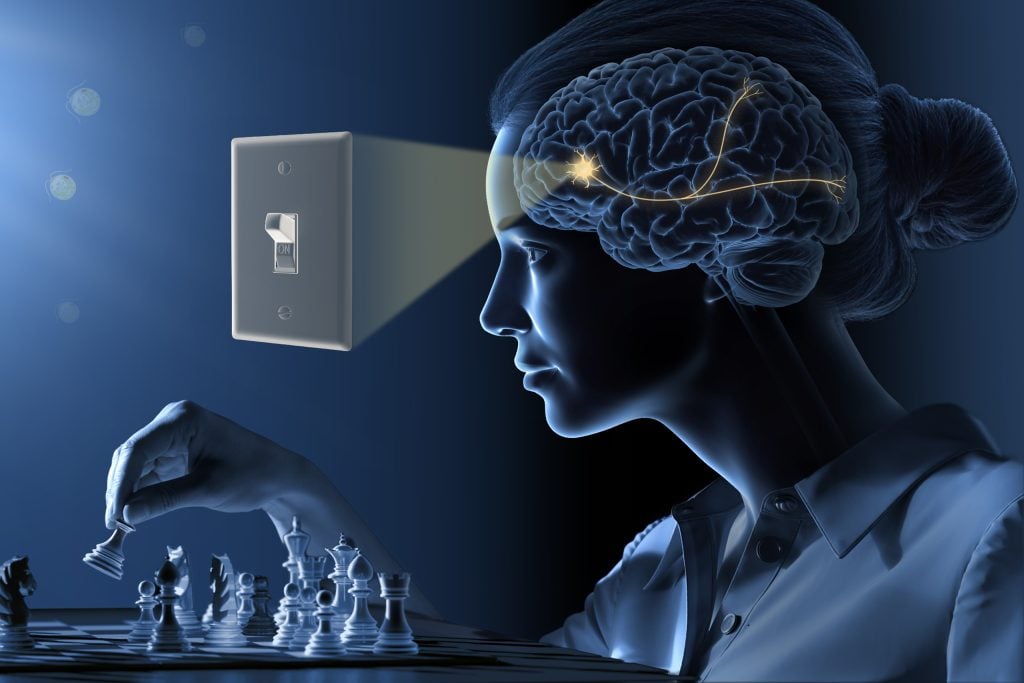
On 5 October 2026 the Nobel Assembly at Karolinska Institutet announced that the 2026 Nobel Prize in Physiology or Medicine would be jointly awarded to Karl Deisseroth of the Howard Hughes Medical Institute and Stanford University, USA; Peter Hegemann of Humboldt University of Berlin, Germany; and Georg Nagel of the University of Würzburg, Germany. The prize recognises their discoveries concerning light‑gated ion channels and optogenetics.
Optogenetics is a technique that allows researchers to control nerve cells with light, revealing how neurons shape memories, feelings and behaviours in the living brain. Peter Hegemann and Georg Nagel discovered the protein channelrhodopsin in the single‑cell alga Chlamydomonas. When illuminated by blue light, the protein opens a channel that lets ions flow into the cell, generating an electrical impulse. Hegemann and Nagel showed that the protein could be expressed in any cell, making it light‑sensitive.
Karl Deisseroth later introduced the gene for channelrhodopsin into rat nerve cells. By shining blue light on these cells, he could trigger nerve signals, a breakthrough he published in 2005. Two years later he demonstrated that the light‑controlled switch could function in the brains of living mice. This method, now called optogenetics, has rapidly impacted neuroscience worldwide.
The laureates’ work has enabled mapping of neural circuits that govern specific memories, emotions and behaviours relevant to neurological and psychiatric disorders. In clinical medicine, optogenetics is being explored to restore sight in people with visual impairment.
The prize amount is 12 million Swedish kronor, to be shared equally among the three laureates.
Press contacts: Pernilla Witte, +46-8-524 86 107, [email protected] or Thomas Perlmann, [email protected], Secretary‑General, The Nobel Assembly at Karolinska Institutet.