Climate & Environment
Lahore Air Quality Remains Unhealthy as City Ranks Among World's Most Polluted
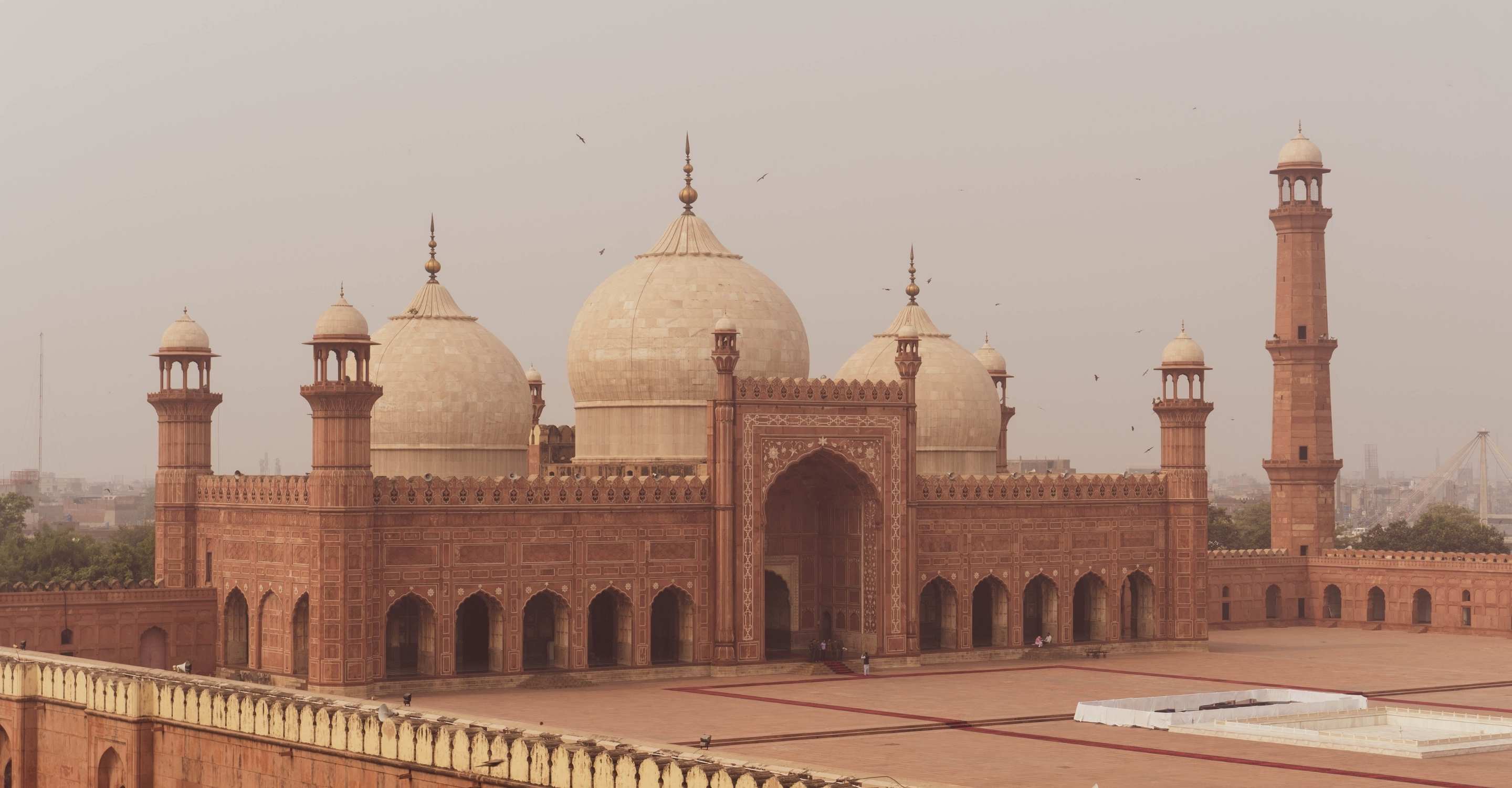
Lahore, Pakistan continued to experience poor air quality on September 8, 2026. At 9:00 AM local time (GMT+5), the city's Air Quality Index (AQI) exceeded 150, placing it in the "unhealthy" category, according to IQAir data. Fine particulate matter (PM2.5) was the primary pollutant, with PM10 levels also significantly elevated.
The data reflects a broader, long-term pollution crisis in the city. Throughout 2025, Lahore recorded an average PM2.5 concentration of 88.9 micrograms per cubic meter, equivalent to an AQI of 168 and classified as unhealthy. This figure was 17.8 times higher than the World Health Organization's annual guideline of 5 micrograms per cubic meter. As a result, Lahore was ranked the 8th most polluted city in the world in 2025, while Pakistan overall was identified as the most polluted country globally.
According to IQAir forecasts, air quality in Lahore follows a seasonal pattern, with the worst pollution typically occurring during winter months, from October through February. The monsoon season, spanning July through September, offers the only significant relief, as rainfall and increased atmospheric mixing help disperse pollutants. As the monsoon season ends, air quality is expected to worsen progressively through the winter.
Experts attribute Lahore's pollution levels to a combination of factors, including emissions from an expanding vehicle fleet, brick kilns, construction dust, and industrial operations, with weather patterns further influencing pollutant concentrations. Research cited in the report shows that PM2.5 levels in Lahore rise sharply from 60.52 micrograms per cubic meter during the pre-smog period to 180.34 micrograms per cubic meter during peak smog season. This increase is linked to particulate matter, carbon monoxide, nitrogen dioxide, and sulfur dioxide emissions from vehicles, industrial activity, and open burning. As temperatures drop later in the year, temperature inversions are expected to trap pollutants closer to the ground, intensifying smog conditions.
Health officials recommend several precautions for residents amid poor air quality, including using air quality monitoring apps for real-time alerts, keeping doors and windows closed, setting HVAC systems to recirculate mode, minimizing outdoor activity, wearing KN95 or FFP2 masks when outdoors, and using high-performance air purifiers indoors to filter pollutants.