World
Escalating US-Iran Conflict in Strait of Hormuz Drives Oil Prices Toward Six-Week High
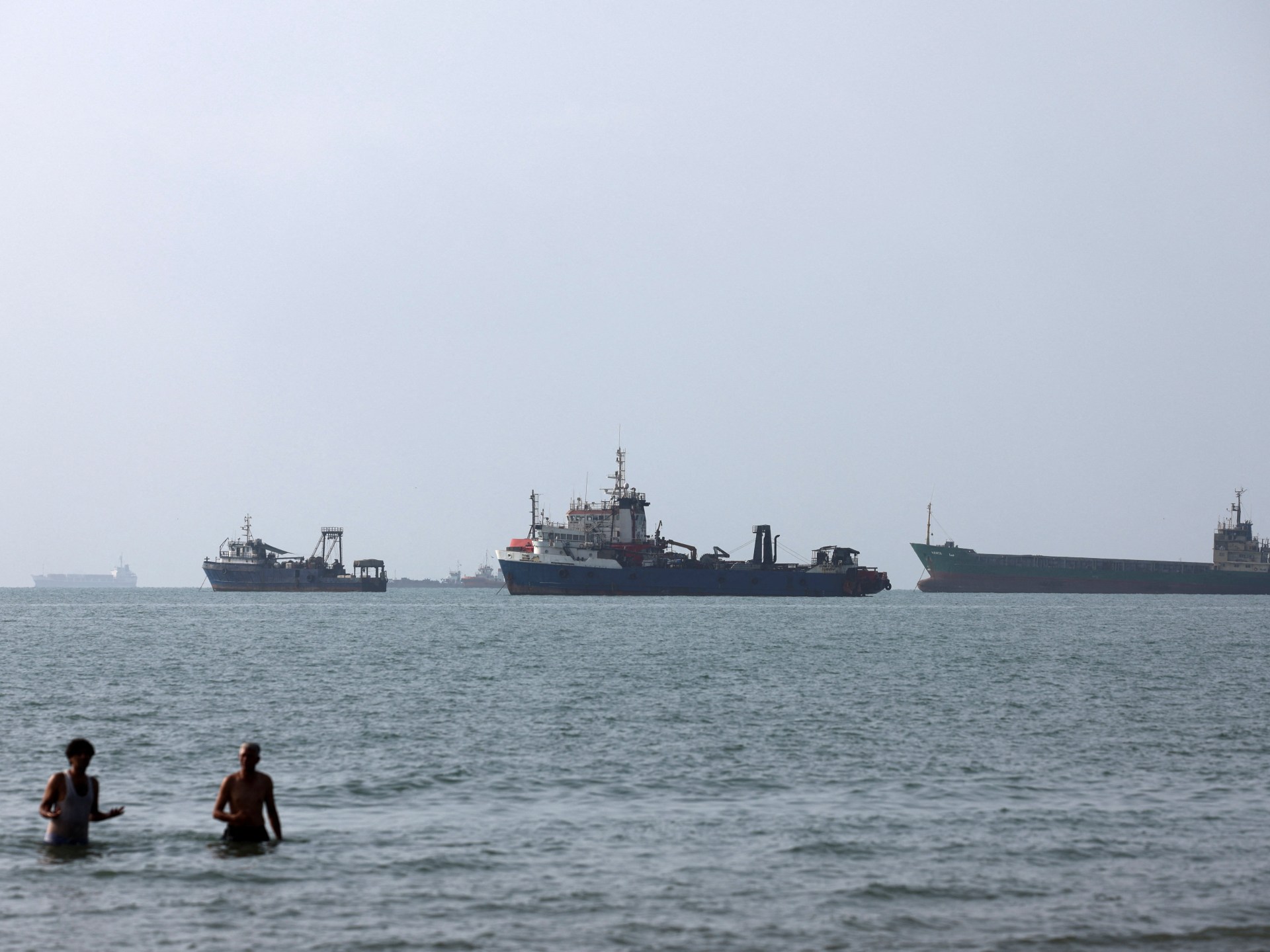
Oil prices climbed close to a six-week high on Monday as intensifying military strikes between the United States and Iran in the Strait of Hormuz disrupted global supply routes, a corridor through which roughly one-fifth of the world's oil passes during peacetime.
Brent crude, the global benchmark, rose to around $97 a barrel, marking a 9 percent increase over five days and a 19 percent rise over the past month. The price approached its highest level since July 24, when it had reached $97.93. US West Texas Intermediate crude also rose, gaining 79 cents to reach $92.27 a barrel, its own near six-week high.
The price increases follow a marked escalation in hostilities. On Saturday, the United States struck three Iranian oil tankers, while Iran's Islamic Revolutionary Guard Corps reported hitting three tankers and three US-linked vessels elsewhere in the region.
Rachel Ziemba, an adjunct senior fellow at the Center for a New American Security, said the price surge reflects ongoing conflict and persistent global supply shortages. She noted that Saudi Aramco's Jizan facilities were struck for the second time in a month on Monday, according to the Financial Times, which cited two people familiar with the matter. Ziemba said this attack, which may delay the facility's return to production, contributed to the price pressure.
Shipping traffic through the Strait of Hormuz has thinned considerably amid the fighting, with an average of just 10 commodity vessels crossing the chokepoint daily over the past 10 days, according to data analytics platform Kpler.
Arif Gasilov, a partner at the Gasilov Group energy advisory firm, said crude prices had cycled between pre-war and elevated levels multiple times since fighting began, and are now rising again following the weekend's exchanges and the Aramco strike. He suggested that a prolonged conflict could eventually reach a point where a ceasefire would have minimal market impact.
In the United States, consumers are feeling the effects at the pump. According to the American Automobile Association, the national average price for a gallon of petrol rose to $4.15 on Monday, up 7 cents from the previous week and up from $4.04 a month earlier. Compared to $2.98 on February 28, when the US and Israel first struck Iran, petrol prices have risen 39 percent since the conflict began.
Diesel prices have also hit record highs, reaching $5.85 per gallon last week and climbing further to over $5.90 by Monday. Patrick De Haan, head of petroleum analysis at GasBuddy, warned on social media that record diesel prices would soon filter through to broader consumer costs.
According to Brown University's Watson School of International and Public Affairs, American households have spent an average of $764.59 on fuel since the war began — $418.82 more than typical spending. Ahead of the Labor Day weekend of September 5-7, AAA forecast a 20 percent increase in flight costs compared to the same period last year.
The economic strain is emerging as a significant issue ahead of US midterm elections. A Financial Times poll found President Donald Trump's economic approval rating had fallen to a new low, with only 17 percent of Americans approving of his handling of the economy. An Economist/YouGov poll found 39 percent of respondents believe Democrats would better manage the economy, compared with 32 percent favoring Republicans.
Meanwhile, China, though more dependent on Strait of Hormuz imports than the US in relative terms for East and Southeast Asian markets, has taken steps to shield itself from the disruption. John Gong, an economics professor at the University of International Business and Economics, said China has drawn on domestic resources and its strategic petroleum reserve while reducing import reliance. He noted China's close ties with Russia provide an additional supply source, with Moscow capable of meeting nearly half of China's daily oil needs.
Gong also pointed to China's push toward clean energy and electric vehicles, noting that more than half of new cars sold in the Chinese market are now electric, as part of a broader national strategy to reduce dependence on oil imports.