Business & Finance
India’s KFC and Pizza Hut Giants Join Forces in $934 Million Mega Merger
By admin
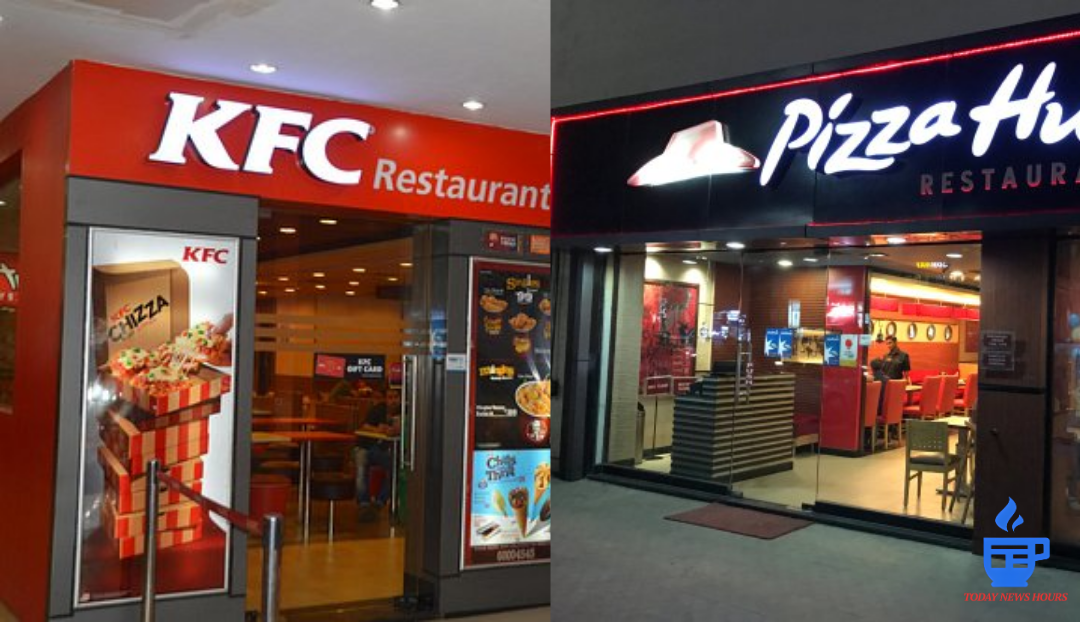
<hr class="wp-block-separator has-alpha-channel-opacity"/> <p>India’s fast-food landscape is set for a major shake-up as the country’s largest operators of <strong>KFC</strong> and <strong>Pizza Hut</strong> move to combine forces in a blockbuster <strong>$934 million merger</strong>.</p> <p>On Thursday, <strong>Sapphire Foods India</strong> and <strong>Devyani International</strong> announced plans to merge, creating one of India’s biggest fast-food franchise powerhouses in a market that has become increasingly challenging for global brands.</p> <p>Both companies are long-time partners of <strong>Yum Brands</strong>, operating thousands of KFC and Pizza Hut outlets across India and select overseas markets. Once combined, the merged entity will control <strong>over 3,000 restaurants</strong>, strengthening its scale as it battles rising costs, slower consumer spending, and intense competition.</p> <hr class="wp-block-separator has-alpha-channel-opacity"/> <p>Why the Merger Matters</p> <p>India’s quick-service restaurant (QSR) sector has been under pressure as inflation squeezes household budgets and consumers cut back on discretionary dining. Franchise operators are also grappling with:</p> <ul class="wp-block-list"> <li>Higher raw material and operating costs<br></li> <li>Slowing same-store sales growth<br></li> <li>Margin pressure in a price-sensitive market<br></li> </ul> <p>Against this backdrop, the merger is aimed at improving efficiency and long-term profitability.</p> <figure class="wp-block-image size-full"><img src="/news-images/4cad63db2ea759267bbf.png" alt="Devyani Sapphire merger share swap ratio" class="wp-image-661"/></figure> <p>Under the deal, <strong>Devyani International will issue 177 shares for every 100 shares of Sapphire Foods</strong>, consolidating operations into a single listed entity. The company expects <strong>annual cost synergies of ₹2.1–2.25 billion</strong> starting from the second full year after the merger, driven by shared supply chains, procurement efficiencies, and streamlined overheads.</p> <hr class="wp-block-separator has-alpha-channel-opacity"/> <p>Losses Highlight the Need for Scale</p> <p>Despite their strong brand presence, both operators have been struggling financially. In the quarter ended September:</p> <ul class="wp-block-list"> <li>Sapphire’s total costs rose <strong>10% year-on-year</strong> to ₹7.68 billion<br></li> <li>Devyani’s expenses climbed <strong>14.4%</strong> to ₹14.08 billion<br></li> </ul> <p>Devyani posted a <strong>net loss of ₹219 million</strong>, reversing a marginal profit a year earlier, while Sapphire’s losses widened to <strong>₹127.7 million</strong>.</p> <p>Industry experts say scale is critical for survival. According to consumer goods consultant Akshay D’Souza, even achieving half of the projected synergies could help turn the merged company into a profitable operation with better cost control.</p> <hr class="wp-block-separator has-alpha-channel-opacity"/> <p>Competition Heats Up</p> <p>The combined entity will continue to face stiff competition from India’s operators of <strong>McDonald’s</strong> and <strong>Domino’s Pizza</strong>, led by <strong>Westlife Foodworld</strong> and <strong>Jubilant FoodWorks</strong>, respectively. However, the merger gives the Yum Brands partners a stronger footing to compete in an increasingly crowded and value-conscious market.</p> <hr class="wp-block-separator has-alpha-channel-opacity"/> <p>What’s Next?</p> <p>If executed well, the deal could mark a turning point for Yum Brands’ franchise operations in India—shifting the focus from aggressive expansion to sustainable profitability through scale and efficiency.</p>