Featured
Why Karnataka Felt Unusually Cold: Scientists Explain the Sudden Winter Chill
By admin
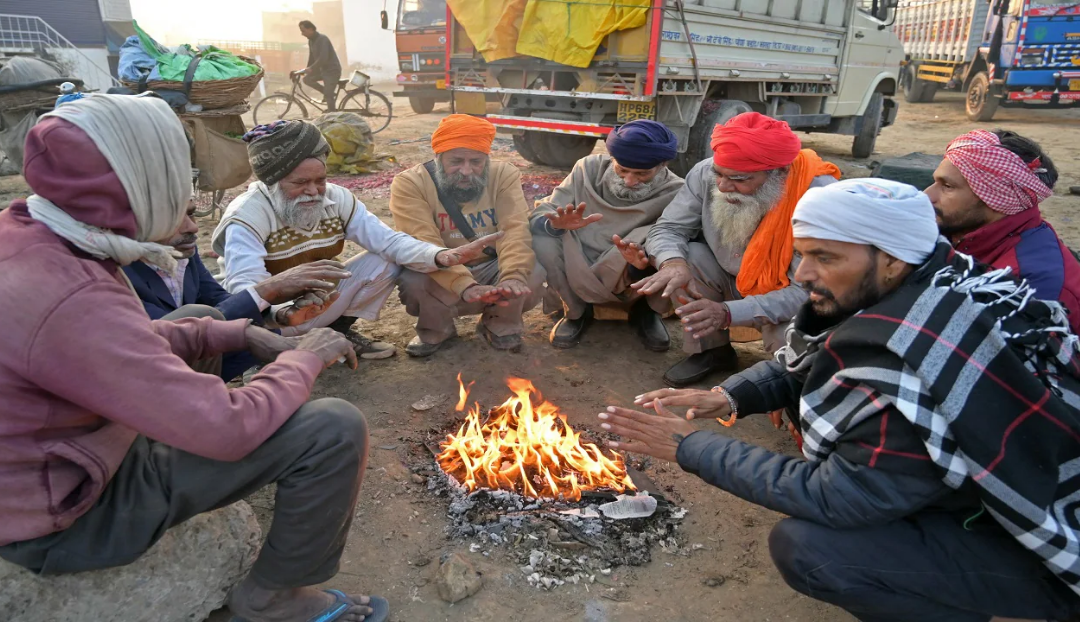
<p>Residents across <strong>north interior Karnataka and Bengaluru</strong> were caught off guard last week as temperatures dipped sharply, making mornings and nights feel more like peak winter than the usual mild December weather. Between <strong>December 8 and 14</strong>, several regions recorded temperatures far below normal — but what caused this sudden chill?</p> <p>According to weather experts, the cold spell was not the result of a single factor. Instead, it was caused by a <strong>rare combination of global weather patterns, long-distance wind movement, and local atmospheric conditions</strong> working together.</p> <figure class="wp-block-image size-large"><img src="/news-images/705d71f45363ad03d148.png" alt="Karnataka cold wave reason" class="wp-image-271"/></figure> <hr class="wp-block-separator has-alpha-channel-opacity"/> <h3 class="wp-block-heading"><strong>A Global Weather Pattern Set the Stage</strong></h3> <p>To understand why Karnataka felt unusually cold, scientists say we need to look far beyond India — all the way to the <strong>Pacific Ocean</strong>. This winter is unfolding under <strong>La Niña conditions</strong>, a global climate phenomenon marked by cooler-than-normal ocean temperatures.</p> <p>La Niña doesn’t just affect one region; it alters weather patterns across the globe. By strengthening trade winds and shifting atmospheric circulation, it often increases the chances of colder winters in parts of Asia, including India.</p> <p>In simple terms, La Niña created the right background conditions for colder air to move southward.</p> <hr class="wp-block-separator has-alpha-channel-opacity"/> <h3 class="wp-block-heading"><strong>Cold Air Travelled From Siberia</strong></h3> <p>While La Niña prepared the atmosphere, the main source of the cold was the <strong>Siberian High</strong> — a massive zone of cold, dry air that forms over northern Asia every winter.</p> <p>Normally, this icy air mass remains confined to its region, blocked by mountain ranges like the Himalayas. However, this December saw a unique pressure setup that allowed some of that cold air to <strong>break free and move south</strong>.</p> <p>As a result, districts such as <strong>Vijayapura and Bidar</strong> recorded temperatures close to <strong>7°C</strong>, nearly <strong>8 degrees lower than normal</strong>. Even <strong>Bengaluru</strong>, which typically stays warmer due to urban heat, saw temperatures drop to around <strong>12.9°C</strong> at the airport.</p> <hr class="wp-block-separator has-alpha-channel-opacity"/> <h3 class="wp-block-heading"><strong>Clear Skies Made Nights Even Colder</strong></h3> <p>But the cold winds alone don’t fully explain how severe the chill felt — especially at night.</p> <p>Scientists point to a process called <strong>nocturnal radiative cooling</strong>. During this period, the atmosphere over Karnataka was extremely dry, with clear skies and very little moisture in the air.</p> <p>Normally, clouds and water vapour act like a blanket, trapping heat near the ground. Without that protective layer, the earth’s surface lost heat rapidly after sunset — almost like leaving a window open on a cold night.</p> <p>This led to dramatic temperature swings, with daytime warmth quickly giving way to <strong>sharp nighttime drops of 15°C or more</strong>.</p> <hr class="wp-block-separator has-alpha-channel-opacity"/> <figure class="wp-block-image size-large"><img src="/news-images/28fe971f37f335f3477b.png" alt="Karnataka cold wave reason" class="wp-image-272"/></figure> <h3 class="wp-block-heading"><strong>Pleasant Days, Biting Nights</strong></h3> <p>The result was a classic winter contrast: <strong>comfortable afternoons followed by freezing nights and early mornings</strong>. Bonfires became common sights in many areas as people tried to keep warm during dawn hours.</p> <p>Experts say such conditions are uncommon but not impossible, especially when global and local weather factors align so precisely.</p> <hr class="wp-block-separator has-alpha-channel-opacity"/> <h3 class="wp-block-heading"><strong>What Happens Next?</strong></h3> <p>While temperatures are expected to gradually stabilise, scientists note that climate patterns like La Niña can continue to influence weather for weeks. Residents are advised to stay prepared for <strong>cooler-than-usual nights</strong>, especially in interior regions.</p> <p>This cold spell serves as a reminder that even regions close to the Equator are not immune to the ripple effects of global climate systems.</p>