World
New York City Reaches $60 Million Settlement for Properties Seized Under Third Party Transfer Program
New York City has agreed to a $60 million settlement with owners of 64 properties that were seized through its Third Party Transfer (TPT) program. This agreement, filed in Manhattan federal court, aims to compensate property owners affected by the program's 10th round of seizures. The settlement awaits approval by a federal judge, as reported by The New York Times.
The class-action lawsuit, initiated in 2019, alleged that the city seized properties without providing constitutionally mandated compensation. Property owners contended that their lost homes were valued significantly higher than their outstanding debts. Under the TPT program, established in 1996 under then-Mayor Rudy Giuliani, the city could seize properties with substantial housing-code violations and unpaid taxes or other municipal debts. Ownership would then be transferred to a nonprofit, which would seek an affordable housing developer for the property. Plaintiffs argued that this system sometimes led to owners losing properties worth considerably more than their debts to the city. The lawsuit also claimed that some homeowners were not properly notified of the seizures. Attorney Alexander Simkin, representing the homeowners, stated that properties could be seized even if owners were only $1,000 behind on a million-dollar property.
The 10th round of seizures involved 64 properties, encompassing approximately 839 housing units, according to court documents cited by The New York Times. The broader lawsuit includes over 500 additional properties, as indicated by plaintiffs' attorneys.
McConnell Dorce, a retired ambulance driver, was a lead plaintiff. He had owned a Brooklyn property in East Flatbush since 1977 without a mortgage. After falling behind on water and sewer charges, he entered a repayment agreement and continued making payments. The lawsuit alleged that the city seized his property without notifying him of the transfer. Dorce passed away in February before the settlement was finalized. Attorney Sara Kane noted that the settlement would offer some relief to affected families.
Critics have long raised concerns that the TPT program disproportionately affected Black and Latino homeowners and communities, an allegation also made in the lawsuit. Over decades, the city conducted 10 rounds of property transfers, transferring more than 590 properties containing over 7,300 homes, according to the lawsuit. A 2019 City Council investigation also examined whether properties seized met the city's criteria for severe financial or physical distress, The New York Times reported.
The city has not admitted wrongdoing as part of the settlement. Andrew Stern, a spokesman for the Department of Housing Preservation and Development, stated that the city maintains the property transfers did not violate former owners' rights but agreed to settle the longstanding litigation. The TPT program has been effectively paused since 2019. City officials have indicated that any revival would incorporate changes to address concerns raised by the litigation.
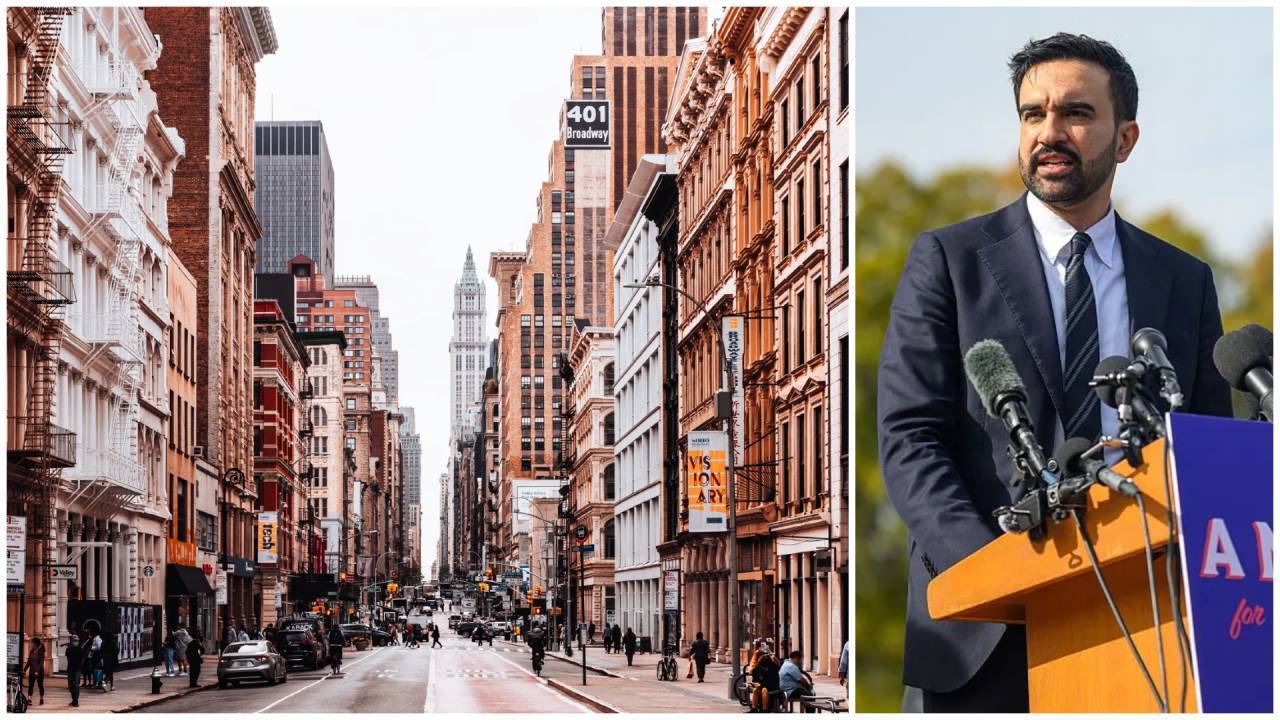
The settlement coincides with Mayor Zohran Mamdani's administration considering reviving and reforming the TPT program. The administration's housing plan includes proposals to modify how distressed properties are identified and transferred. A bill concerning program reforms is currently before the City Council. One aspect under review is the program's former “block pickup” provision, which allowed the city to seize additional properties on the same block under certain conditions. Plaintiffs’ attorneys argue that proposed reforms do not address what they consider fundamental problems of the program, while the city asserts that changes would address lawsuit concerns.
The $60 million settlement specifically covers properties involved in the latest round of seizures and does not resolve claims for all properties in the broader class action. Attorneys for the homeowners expressed hope for similar resolutions in the remaining cases. The Mamdani administration has continued pursuing property transfers through other housing-enforcement mechanisms, such as the September transfer of three Crown Heights apartment buildings due to nearly 1,000 open code violations.