World
Pakistan Grapples with Energy Crisis Amid Rising Fuel Costs and Supply Concerns
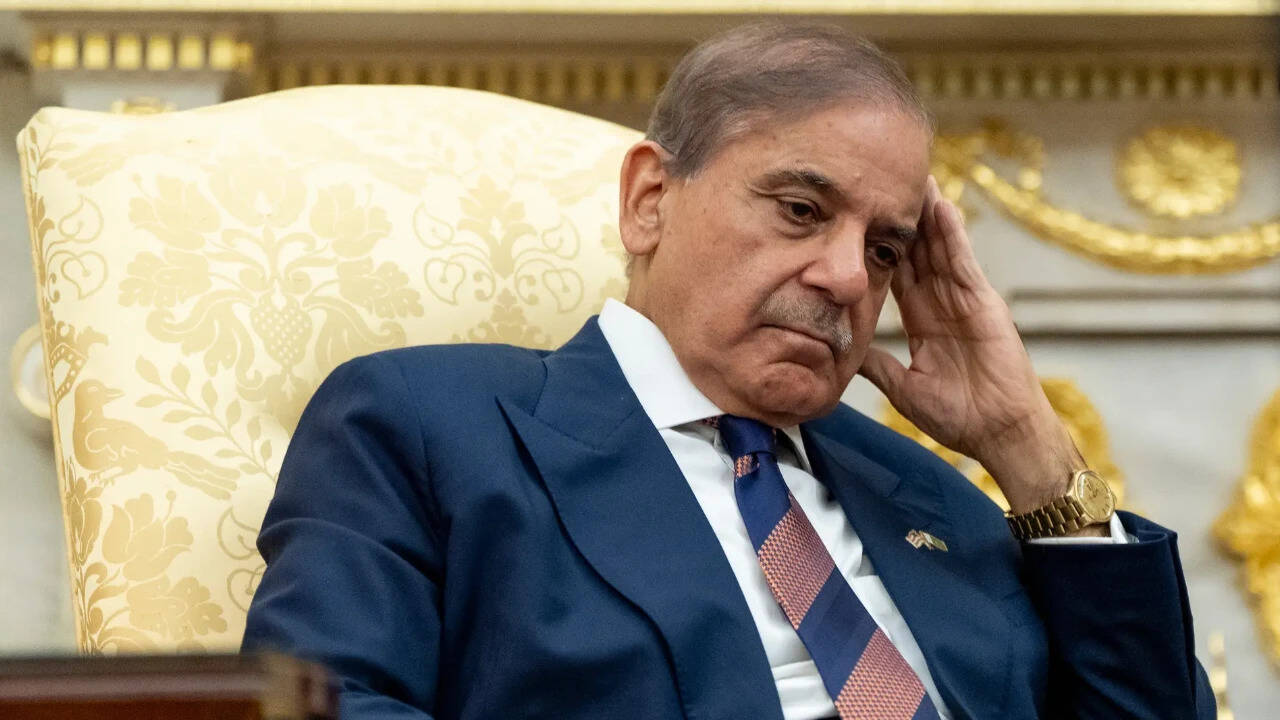
Pakistan is experiencing an escalating energy crisis due to global oil price increases and disruptions in key Gulf shipping routes. The government, led by Prime Minister Shehbaz Sharif, is facing pressure to manage these challenges while attempting to mitigate the impact on consumers.
Fuel prices saw an increase on Tuesday night, with petrol rising by PKR 4.10 per litre and high-speed diesel (HSD) by PKR 6.41 per litre. This adjustment set petrol at PKR 384.34 per litre and HSD at PKR 415.83 per litre. Climate Change Minister Musadik Malik stated that the government is absorbing a portion of this increase through a fuel relief scheme. This scheme provides subsidized petrol for up to five litres per week for motorcyclists and up to 10 litres every 10 days for car owners. Malik noted that this assistance would not fully offset the price increases but represents the maximum the economy can currently manage.
Energy Minister Awais Leghari highlighted concerns about the supply situation. He reported that Pakistan has maintained power plant operations despite disruptions by maximizing the use of domestic energy resources. In August, 72% of Pakistan's electricity was generated from domestic sources, including hydropower, local coal, nuclear power, local gas, wind, and solar. The remaining 28% came from imported coal and Regasified Liquefied Natural Gas (RLNG). Leghari indicated that disruptions to RLNG supplies have driven spot cargo prices to $23.25 per MMBtu. He added that increased use of domestic gas for power generation helped Pakistan avoid purchasing more expensive RLNG, preventing an additional hour of load shedding and averting an estimated PKR 10.6 billion increase in consumer tariffs that would have resulted from greater reliance on furnace oil or imported RLNG.
The government is exploring measures to reduce petroleum consumption. While a "smart lockdown" was mentioned as a possibility, similar to those used during the US-Iran war, Climate Change Minister Malik denied that such discussions are currently taking place. Information Minister Atta Tarar had previously suggested that austerity measures might be reintroduced if regional conditions worsened.
Concurrently, the government is expanding its fuel relief program. A National Steering Committee on Fuel Subsidy, chaired by Deputy Prime Minister Ishaq Dar, has instructed that payments to fuel stations be processed within 24 hours. This scheme, initially piloted in Islamabad, is being implemented nationwide.
The rising fuel costs are also generating political pressure. Jamaat-i-Islami has announced plans for nationwide demonstrations next week if fuel prices are not reduced. Pakistan adopted a daily petroleum pricing mechanism in July, replacing the previous weekly system, in response to increased volatility in global oil prices amidst geopolitical tensions. The energy crisis is further exacerbated by the closure of Saudi Arabia's East-West oil pipeline following an aerial attack.