World
Congressional Budget Office Reports U.S. War with Iran Exceeds $38 Billion, Forecasts Continued Inflationary Impact
By AP
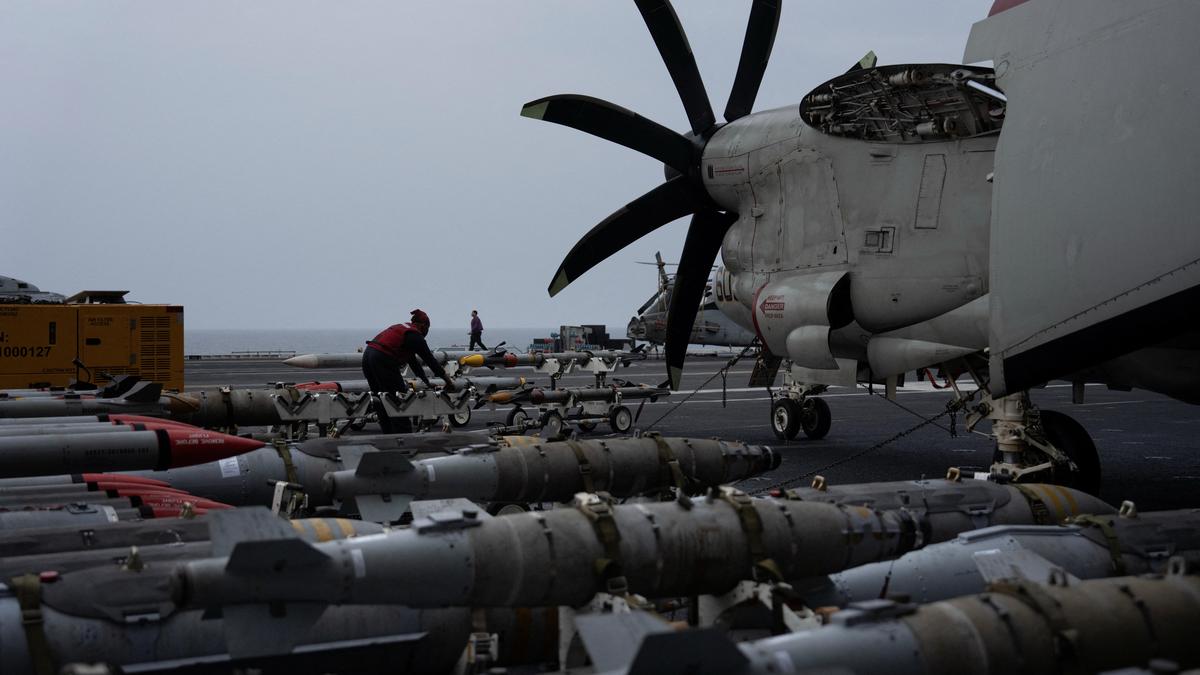
The U.S. conflict with Iran has incurred Department of Defense expenditures exceeding $38 billion as of August 1, according to an assessment released by the nonpartisan Congressional Budget Office (CBO) on Tuesday, September 15, 2026. The CBO projects ongoing monthly costs of up to $3 billion, or potentially more, depending on the intensity of the conflict. This war is anticipated to contribute to inflation, making it approximately 0.5 percentage points higher than previous estimates into the first quarter of 2027. This inflationary pressure is primarily attributed to reduced oil and natural gas shipments through the Strait of Hormuz and disruptions to shipping in the Red Sea.
This estimate, prepared at the request of Representative Brendan Boyle, the top Democrat on the House Budget Committee, largely aligns with a previous $37.5 billion cost estimate provided by Defense Secretary Pete Hegseth in his Senate testimony. The CBO indicates that these costs primarily stem from replacing munitions and equipment lost during combat. The figures do not encompass expenses related to U.S. military personnel fatalities or injuries, nor do they include long-term veterans' healthcare and disability compensation.
Representative Boyle stated that, in addition to the human cost, the CBO report highlights that the war has cost American taxpayers tens of billions of dollars and continues to drive up costs. He contrasted this spending with past Republican statements regarding affordability for domestic programs, suggesting that significant funds are being allocated to a conflict that is impacting Americans financially. These findings emerge as voters consider the war and high prices in anticipation of the midterm elections, which will determine control of Congress, where Republicans currently hold majorities in both the House and Senate.
The conflict, which commenced on February 28, is now in its seventh month with no indication of a swift resolution. The White House submitted a request for $87.6 billion in supplemental funding in June, largely for the war effort, but Congress has not yet approved it. The CBO identified $42.3 billion of this request as directly related to the conflict, an amount approximately 10 percent higher than the CBO's estimate for the Department of Defense's costs.
The Department of Defense did not respond to the CBO's information request for its report, a departure from standard practice. Consequently, the budget office relied on government databases and public reports, acknowledging that its estimates are subject to considerable uncertainty. A Pentagon inspector general report issued on Monday noted that the war has led to “strategic inventory shortfalls.” The article was published on September 16, 2026, at 02:45 am IST.