World
House Advances Bill Granting President New Tariff Authority, Targeting Russian Oil Purchasers
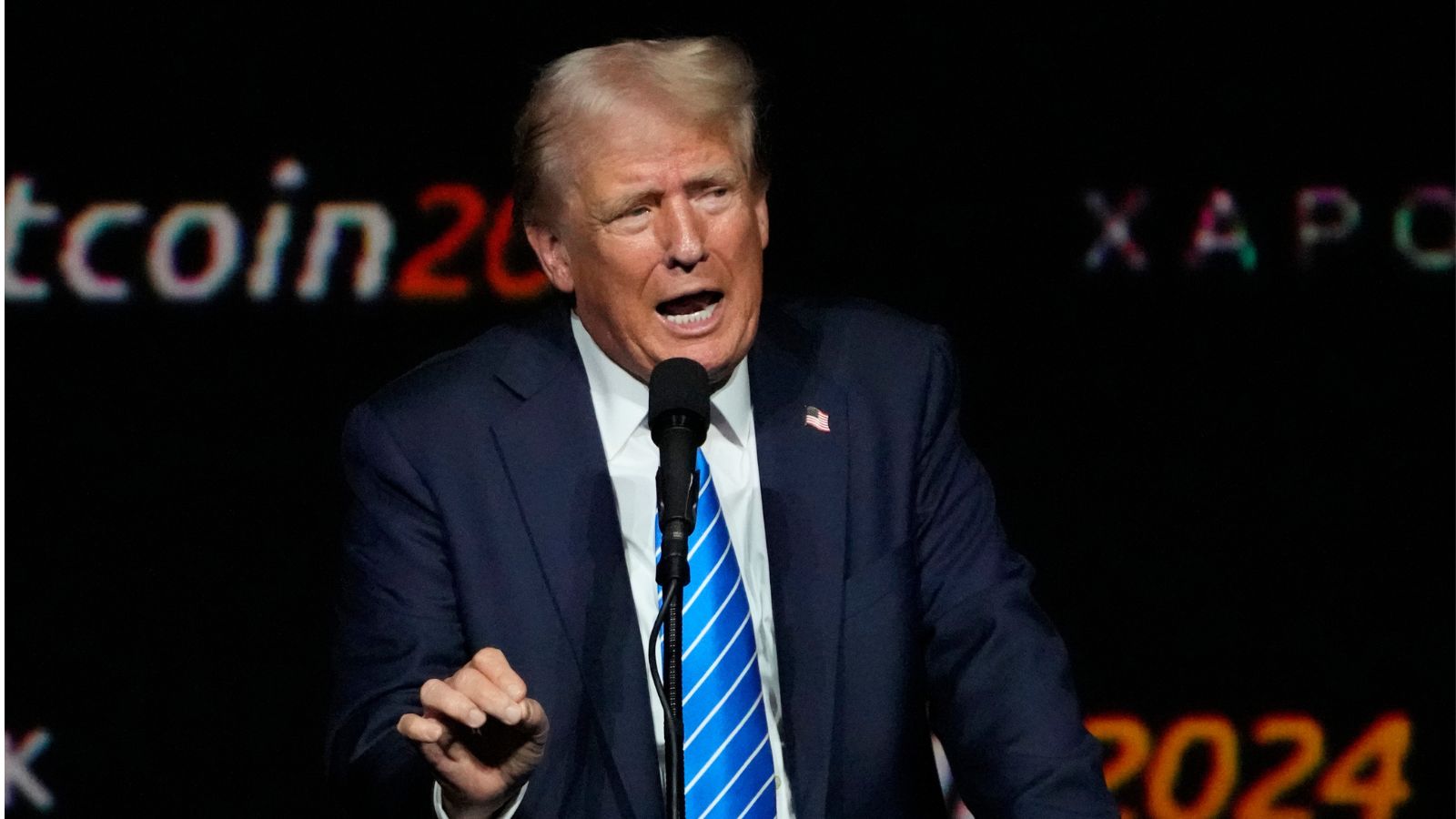
The US House of Representatives has advanced legislation that would grant President Donald Trump new powers to impose tariffs of up to 100 percent on countries, including India and China, for purchasing Russian oil and gas. The legislation, known as the Lindsey O Graham Sanctioning Russia and Iran Act of 2026, cleared a procedural hurdle in the House on Tuesday evening with a 214:211 vote, supported by two Democrats and Republicans. A final House vote is anticipated on Wednesday. If approved, the bill will be sent to President Trump for his signature. The US Senate previously passed the legislation on August 7 with an 86-11 vote.
This bill aims to impose sanctions on Russia's leadership, energy, and defense sectors, as well as its "shadow fleet" of vessels. It also authorizes the President to impose 100 percent tariffs on major purchasers of Russian oil. While the Senate version does not explicitly name countries, it references the five largest importers of Russian oil and gas by volume, which include India and China as potential targets for secondary tariff provisions.
Opposition to the bill has emerged among some senior Democrats who expressed concerns about the extent of the President's tariff powers. Representative Gregory Meeks, ranking Democrat on the House Foreign Affairs Committee, argued that the measure could grant unchecked tariff authority without sufficient safeguards. Don Beyer, top Democrat on Congress’s Joint Economic Committee, and Richard Neal, ranking Democrat on the House Ways and Means Committee, also suggested the legislation could be detrimental, expanding presidential tariff powers without mandating sanctions against Russia. They also raised concerns that the provisions could increase prices for Americans and undermine long-term support for Ukraine, citing President Trump's past use of tariffs against US partners.
Negotiations among Democrats have explored narrowing the scope of countries subject to secondary sanctions. Representative Steny Hoyer, a co-sponsor, proposed an amendment identifying 10 countries: China, India, Turkey, Azerbaijan, Hungary, Kazakhstan, Kyrgyzstan, Singapore, Slovakia, and the United Arab Emirates.
Republicans, skeptical of continued US involvement in Ukraine, have also opposed the legislation, making Democratic support crucial for its passage in the House. This has led to disagreements among House Democrats, with some members, like California Democrat Linda Sánchez, criticizing those who sought to alter the bill while supporting Ukraine.
Ukrainian officials and groups supporting Kyiv are closely monitoring the legislation. Ukrainian President Volodymyr Zelenskyy has called for increased economic pressure on Russia and urged lawmakers to pass the sanctions bill. Vitaly Kim, Ukraine's minister of veterans affairs, also advocated for greater economic pressure on Russia at the Ukraine Action Summit in Washington DC, suggesting that sanctions could help end the conflict. Supporters of the legislation believe that restricting Russia's oil revenues would reduce its resources for the war against Ukraine.